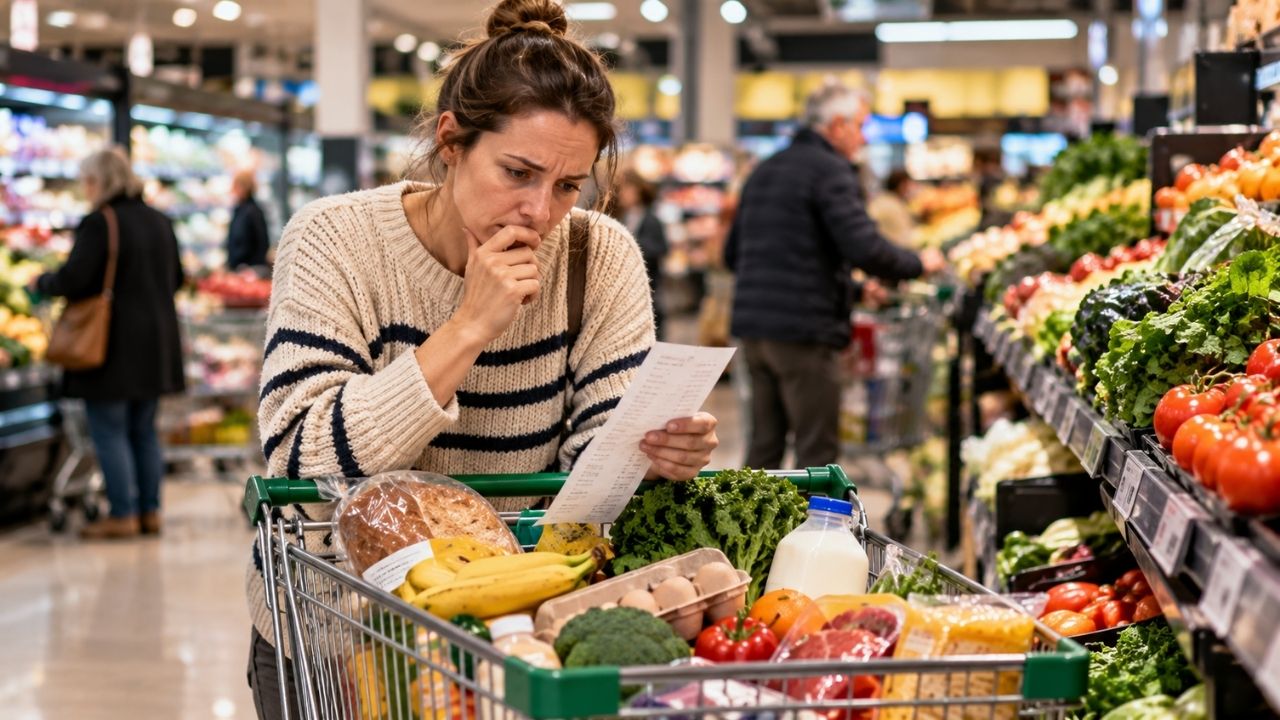
Australian families are still feeling the pinch at the supermarket. Official figures show food and non-alcoholic drinks have risen 3.2 per cent over the past year, and recent checks of common items confirm prices keep edging higher across major chains.
How much food prices have moved overall
The latest Consumer Price Index data from the Australian Bureau of Statistics shows the cost of food and non-alcoholic beverages climbed 3.2 per cent in the 12 months to July 2026. That is a little lower than the 3.3 per cent recorded a month earlier, yet it still adds up for weekly shopping.
Meals out and takeaway foods played a big part in the rise, increasing 4.5 per cent over the year. Fresh and packaged groceries also contributed, though some items moved more than others.
The grocery basket that keeps getting dearer
A recent survey of eight everyday items found the average cost of a basic basket rose 7 per cent between March and June. Shoppers paid more at every major supermarket chain.
The items checked were apples, bananas, strawberries, potatoes, avocado, milk, basmati rice and beef mince. Strawberries alone accounted for about half the overall increase. Mince, milk and avocados also became more expensive, while apples and rice were cheaper than in the previous check.
Which everyday categories are pushing the bill higher
Several common foods are standing out as the main sources of pressure.
- Fresh berries and some other fruit
- Beef mince and similar red meat
- Milk and other dairy staples
- Avocados and certain vegetables
These are the items many households buy every week. When several of them rise at the same time, the total shopping bill climbs quickly even if other products stay steady.
Differences between the big supermarket chains
Price rises were not the same everywhere. One independent survey showed the largest jump at IGA, where the same basket cost 11 per cent more. Aldi rose 8 per cent, Coles 6 per cent and Woolworths 2 per cent. Aldi still offered the lowest total for the basic basket, but even the cheapest option moved higher.
Shoppers who stick to one store may notice the change more than those who compare prices or use specials.
Why these increases keep happening
Higher costs for farming inputs, transport and energy continue to flow through to supermarket shelves. Weather patterns and global supply issues have also affected some fresh produce. While overall inflation has eased slightly, food remains one of the categories that still puts steady pressure on household budgets.
Many families report that groceries now take a larger share of weekly spending than a year or two ago. The combination of higher prices for staples and warmer weather that can affect growing conditions means the pressure is unlikely to disappear quickly.
Practical ways households are coping
People are responding in simple ways that still help. Some switch between stores more often, buy more of what is on special, or choose seasonal produce. Others reduce the amount of higher-priced items such as certain meats or berries and stretch cheaper staples further.
Checking unit prices and planning meals around what is already in the pantry also makes a difference. Official price data is updated regularly on the Australian Bureau of Statistics website at www.abs.gov.au, giving a clear picture of how costs are moving.
Food prices remain one of the most noticeable parts of the cost of living. While the rate of increase has slowed a little, the everyday items many households rely on are still climbing and continue to shape weekly budgets across Australia.