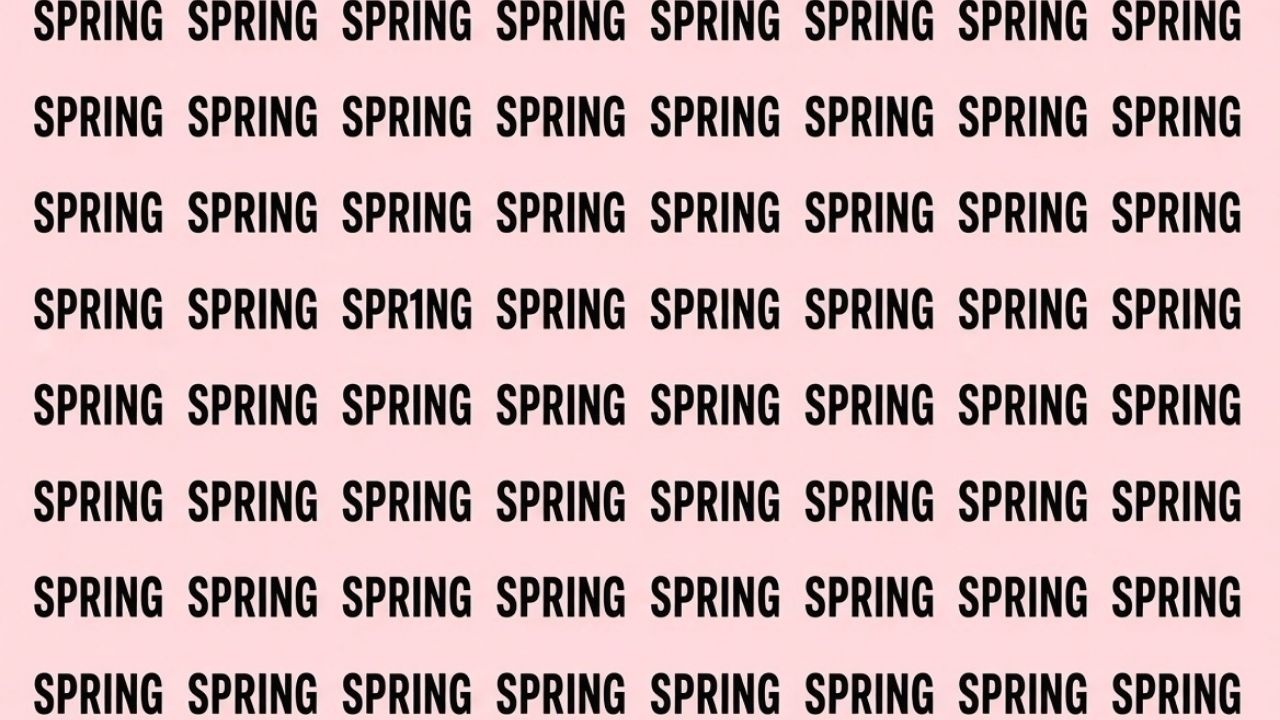
Spring has arrived across Australia and many people are looking for quick ways to keep their minds active. One popular activity is a simple visual puzzle that asks you to find the small changes in a classic outdoor scene.
A typical spring scene from the Australian bush
Picture a bright morning in a suburban garden or nearby park. Wattle trees are covered in golden flowers. A pair of magpies stand on the lawn. A kangaroo rests in the shade of a gum tree. Colourful native birds sit on a fence. Wildflowers push up through the grass and a soft breeze moves the leaves.
Now imagine the exact same picture shown twice side by side. Most of the details look identical at first glance. Only a few small differences exist between the two versions. The challenge is to find them all without rushing.
The differences that only careful eyes catch
People who look quickly often miss the changes. Those who slow down and scan section by section usually do better.
- One magpie has a slightly different wing position
- A single wattle flower is missing from one branch
- The kangaroo’s ear is tilted the opposite way
- One small wildflower near the fence has changed colour
These are the kinds of tiny details that make the test tricky. The rest of the scene stays the same so the brain tends to fill in what it expects to see.
Why these puzzles feel harder than they look
Our eyes and brain work together to recognise patterns fast. When two pictures look almost the same, the mind often skips over the small mismatches. Spring colours and busy natural details add to the challenge because there is so much to look at.
Taking a moment to check one area at a time – the trees, then the animals, then the ground – helps most people spot the changes. Children and adults both enjoy the activity because it feels like a short game rather than hard work.
How Australians are using them this season
Many families print or share these simple tests at home or in classrooms. They fit well with the start of warmer weather when people spend more time outdoors and notice the new growth around them. The puzzles encourage closer looking at real gardens and bushland too.
Some people set a gentle time limit of one or two minutes just for fun. Others simply enjoy finding every difference at their own pace. Either way the activity gives the eyes and brain a light workout.
Keeping the mind sharp as the season unfolds
Spring brings longer days and fresh energy. Short visual challenges like this one offer an easy way to stay alert while enjoying the season. Whether you find all the differences on the first try or need a second look, the point is the same – slow down, look carefully and notice the small things that make each spring scene unique.