
 Join WhatsApp
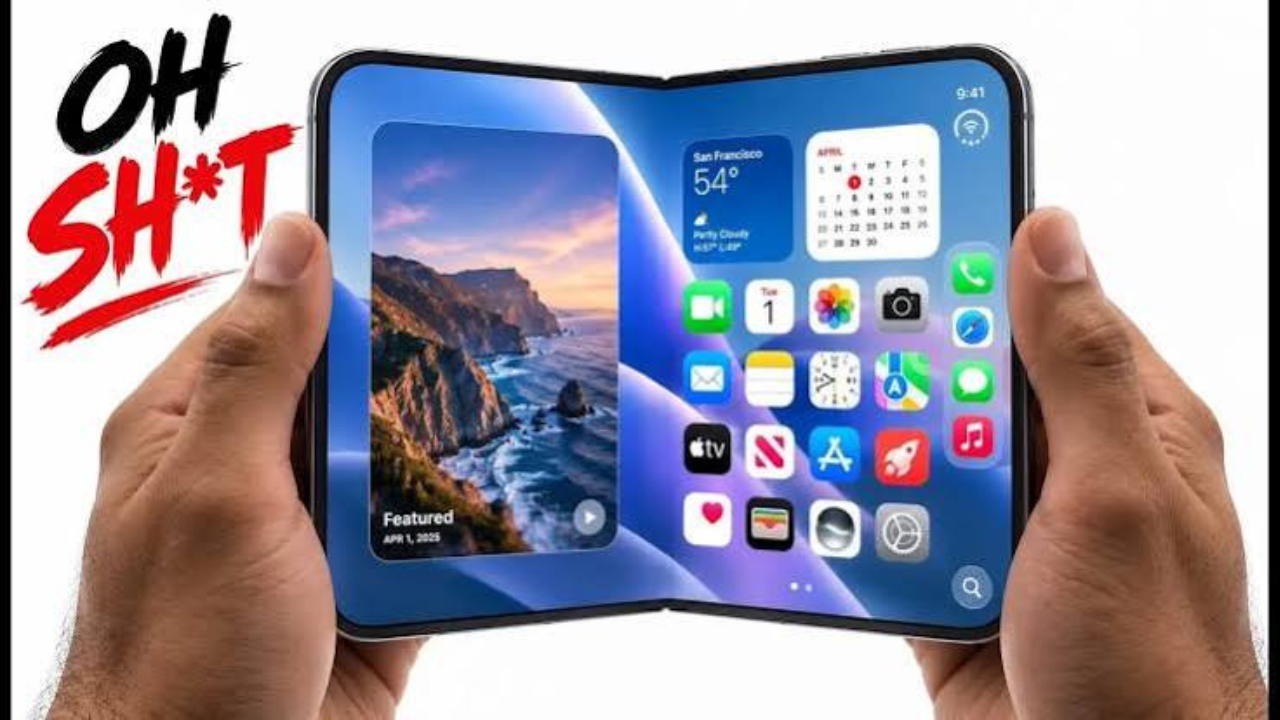
Apple has finally entered the foldable phone market with the iPhone Duo, giving Samsung a much stronger rival than it has faced in previous years. Samsung already has years of experience with foldable phones, but Apple’s arrival could change what buyers expect from the next generation.
The Galaxy Z Fold 9 has not been officially announced, so its final design and features are not known. But the iPhone Duo gives Samsung five clear areas where the next Galaxy Z Fold could improve: durability, thickness, software, cameras and the overall user experience.
1. Samsung could focus even more on durability
Foldable phones have improved greatly since the first Galaxy Fold, but durability remains one of the biggest concerns for buyers.
Apple’s iPhone Duo has an IP68 rating for dust and water resistance. Samsung’s Galaxy Z Fold 8 has an IP48 rating, which provides water protection but does not offer the same level of protection against dust and small solid particles.
That difference could put pressure on Samsung to improve the protection of the Galaxy Z Fold 9.
Dust protection is especially important for a foldable because the hinge and folding screen create more complicated areas than a normal smartphone. Samsung has already improved its hinge and screen technology over several generations, but Apple entering the market gives the company another reason to keep pushing.
A future Galaxy Z Fold could therefore put greater emphasis on sealing the phone against dust while maintaining water resistance.
2. The next Fold could become thinner and lighter
Samsung has already made major progress with the thickness and weight of its foldables. The Galaxy Z Fold 8 is listed at 201 grams and is about 4.5mm thick when unfolded.
The iPhone Duo, however, takes a different approach and weighs about 254 grams. It is around 5.2mm thick when unfolded. This means Samsung currently has an advantage in both weight and unfolded thickness.

That does not mean Samsung has no reason to improve.
Apple’s entry changes the conversation because customers will now compare the two phones directly. Samsung cannot rely only on having more experience with foldables. Each new generation will need to offer a clear reason to upgrade.
For the Galaxy Z Fold 9, Samsung could focus on reducing weight without giving up battery life, camera quality or durability.
That would be especially important for people who use a foldable as their main phone every day.
3. Samsung may need to rethink its foldable software
Hardware is only half of the foldable experience. The software needs to make good use of the larger inside display.
Samsung has been working on foldable multitasking for years, and the Galaxy Z Fold line remains strong in this area. But Apple’s iPhone Duo introduces another approach to using a large folding screen.
The iPhone Duo supports a flexible mode that lets users work with the phone partly open. Apple has also designed its software around the different screen positions of the device.
This could push Samsung to make One UI even more useful when the phone is folded at different angles.
The next Fold could put more attention on simple, everyday actions rather than simply allowing more apps on the screen.

For example, Samsung could make it easier to move between normal phone use, video calls, watching content and hands-free work without requiring users to change settings manually.
4. Samsung could put more pressure on its camera system
Camera performance is another area where the iPhone Duo creates a new challenge.
Apple’s first foldable has a dual rear camera system with 48-megapixel main and ultra-wide cameras. It also supports high-quality video recording, while Apple’s image processing and video features remain a major part of the iPhone experience.
Samsung has traditionally offered strong camera hardware on its flagship Fold models, but foldable phones have sometimes made compromises compared with the company’s top non-folding Galaxy S models.
The iPhone Duo could make that harder to justify.
For the Galaxy Z Fold 9, Samsung could respond with better sensors, improved zoom, stronger low-light photography and better video processing.
The goal would not simply be to increase megapixels. The more important question will be whether the Fold can produce consistently good photos and videos in everyday situations.
5. Samsung could improve the overall premium experience
Apple’s biggest advantage may not be one individual specification.
The iPhone Duo combines the iPhone ecosystem with a new foldable design. It starts at $1,999 in the United States, while Samsung’s Galaxy Z Fold 8 starts at $1,899. That puts the two phones much closer in price than many people might expect.

That makes the comparison more serious.
Samsung has an important advantage because it has been making foldable phones since 2019. The company has had years to improve its hinges, displays and software. Apple, meanwhile, is entering the category for the first time.
But Apple’s arrival means Samsung now has to compete against Apple’s brand strength, ecosystem and large existing iPhone user base.
For the Galaxy Z Fold 9, Samsung may need to make the entire package feel more complete rather than focusing on individual upgrades.
That could mean better battery life, smoother software, stronger AI tools, improved accessories and easier ways to move between a Fold and other Galaxy devices.
Five areas Samsung could target with the Galaxy Z Fold 9
Because the Galaxy Z Fold 9 has not been officially announced, these are areas where competition could encourage Samsung to improve rather than confirmed features.
- Better dust protection alongside water resistance.
- A thinner and lighter body without major battery compromises.
- More useful software for different folding positions.
- Stronger camera and video performance.
- A more complete premium experience across hardware, software and Galaxy devices.
These changes would make sense because they address areas where customers are likely to compare Apple’s foldable directly with Samsung’s next model.
Apple is giving Samsung a new reason to move faster
Samsung has already been one of the main companies responsible for making foldable phones mainstream. Its Galaxy Z Fold line has gone through several generations while competitors have tried different designs and screen sizes.
Apple’s entry changes the market because it brings a huge smartphone brand into a category that Samsung has helped build.

The iPhone Duo also uses a passport-style design similar to Samsung’s latest Fold approach, making the two devices natural competitors.
That means Samsung will no longer be competing mainly on experience. It will have to show why its experience makes the Galaxy Z Fold better than Apple’s first attempt.
Samsung still has important advantages
Apple’s foldable is not automatically better simply because it is new.
Samsung still has years of foldable experience, a large Galaxy ecosystem and a broader range of foldable products. The Galaxy Z Fold 8 is also lighter than the iPhone Duo and offers several productivity features that appeal to people who want a phone that can also work like a small tablet.
Samsung also has an advantage in price in many markets. In India, for example, the iPhone Duo starts at Rs 2,99,900, while the Galaxy Z Fold 8 starts at a much lower price.
That gives Samsung room to attract buyers who want a foldable but do not want to spend Apple’s premium price.
The challenge is making sure the next Fold feels like a clear step forward rather than just another yearly update.
The Galaxy Z Fold 9 could be Samsung’s real response
The iPhone Duo is only the beginning of Apple’s foldable strategy. Samsung therefore has time to study how customers react to Apple’s design and which features become important in the market.
The Galaxy Z Fold 9 could benefit from that competition even if Samsung does not copy Apple’s approach.

A stronger dust rating, lighter construction, better cameras and smarter software would all make the Fold more attractive. Samsung could also use its experience to improve areas where Apple’s first foldable may have limitations.
This is ultimately good news for buyers. Competition gives both companies a reason to improve their products instead of simply relying on their existing strengths.
The iPhone Duo gives Samsung a new challenge at exactly the point where foldable phones are becoming more mature. Samsung has years of experience, but Apple brings a powerful ecosystem and a fresh approach to the category.
The Galaxy Z Fold 9 is not official yet, so its specifications cannot be confirmed. Still, Apple’s entry could push Samsung toward better dust protection, a lighter design, smarter foldable software, stronger cameras and a more complete premium experience.
Samsung does not need to copy the iPhone Duo to stay ahead. Its biggest opportunity may be to use its years of foldable experience to fix the areas customers still care about most.
If that happens, Apple’s first foldable could end up helping Samsung build a much better Galaxy Z Fold 9.