
 Join WhatsApp
Uncovering the Hidden Landscapes of Rural Properties
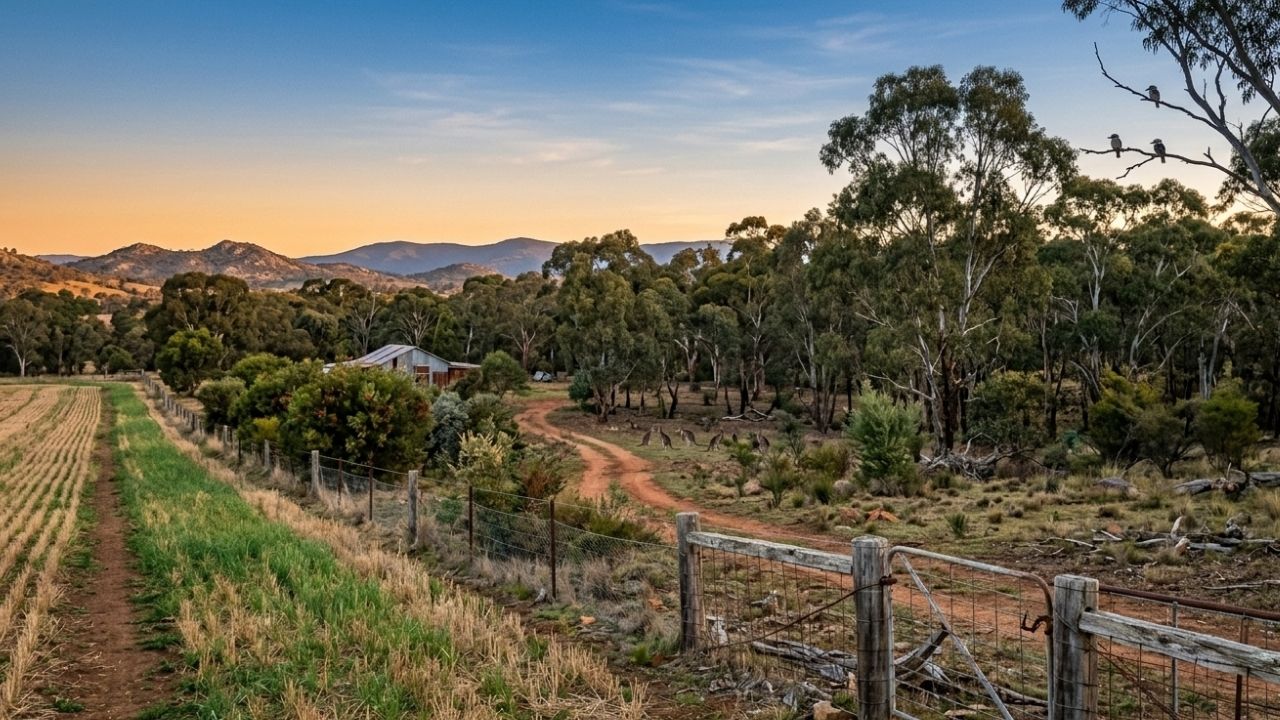
When people think of an Australian farm, they usually picture open fields of wheat, flat dirt tracks, and rows of sheep or cattle grazing under the hot sun. However, the managed farming areas tell only half the story. On large properties, the land that sits just past the fences and cultivated fields is often untouched and full of surprises.
Stepping beyond the working boundary lines reveals an entirely different environment. This outer edge is where the wild side of the country takes over from human care. From unexpected pockets of thick green bush to old historical remains, the spaces past the crop lines offer a unique look at the rural landscape.
Pockets of Native Bush and Ancient Trees
The moment you leave the clear pastures, the open sky often disappears under a canopy of native trees. Many Australian farms leave sections of their land completely uncleared to act as natural windbreaks or to protect the soil from eroding.
In these hidden patches, you will find giant eucalyptus and gum trees that have been growing for hundreds of years. The ground here is not covered in soft grass, but in a thick layer of dry bark, crunchy leaves, and fallen branches.
- Listen for the loud calls of hidden kookaburras and cockatoos in the high branches.
- Look for scratches on the tree trunks left by climbing goannas and possums.
- Watch for small, colorful bush flowers that only bloom tucked away under the scrub.
- Notice the strong, sweet smell of eucalyptus oils baking in the afternoon heat.
Hidden Creeks and Natural Waterholes
Water is the lifeblood of any rural area, and looking beyond the fields will often lead you to a natural water source that the farmer does not use for irrigation. These creeks and waterholes are vital lifelines for local ecosystems.
Unlike a straight, man-made dam, a natural creek winds shapes through the earth, creating deep pools and sandy banks. The temperature drops noticeably near these water zones, making them a popular gathering spot for animals during the hottest parts of the day.
| What to Look For | Where to Spot It |
|---|---|
| Kangaroo Paths | Narrow dirt tracks worn down in the mud leading to the water edge. |
| Frog Habitats | Thick clumps of reeds and reeds along the shallow banks. |
| Bird Nests | Low-hanging branches that arch directly over the pool. |
| Smooth Stones | Worn down river rocks that reveal the flow of winter rains. |
Relics of Early Settler History
Australian farmland often stretches across areas that have been lived on for generations. Past the active fields, where the tractor no longer drives, you can frequently stumble upon physical pieces of the past.
It is common to find old, hand-split timber fence posts that were put in place over a century ago, held together with rusted wire. In some places, you might even find the stone foundations of an early pioneer cottage or an old corrugated iron shed that has been swallowed up by wild vines and weeds. These spots feel like quiet outdoor museums, showing how hard the early families worked to build a life on the land.
Rugged Rock Formations and Ridge Lines
Depending on which part of the country you are in, walking past the flat fields can bring you face-to-face with sudden changes in the terrain. Flat soil often gives way to steep hillsides, rocky ridges, or deep sandstone gullies.
These rocky areas are too rough for tractors to plow and too dangerous for heavy livestock to walk on, so they remain perfectly preserved. Large boulders heap on top of one another, creating small caves and overhangs. Climbing up onto these ridges gives you a view of the entire property, showing the clear line where human farming stops and the wild landscape takes over completely.
Exploring the areas that sit just outside the daily routine of farm life reminds us of how vast and varied the country truly is. Beyond the crops and livestock lies a world of natural beauty, ancient wildlife, and deep history that remains beautifully wild.