
 Join WhatsApp
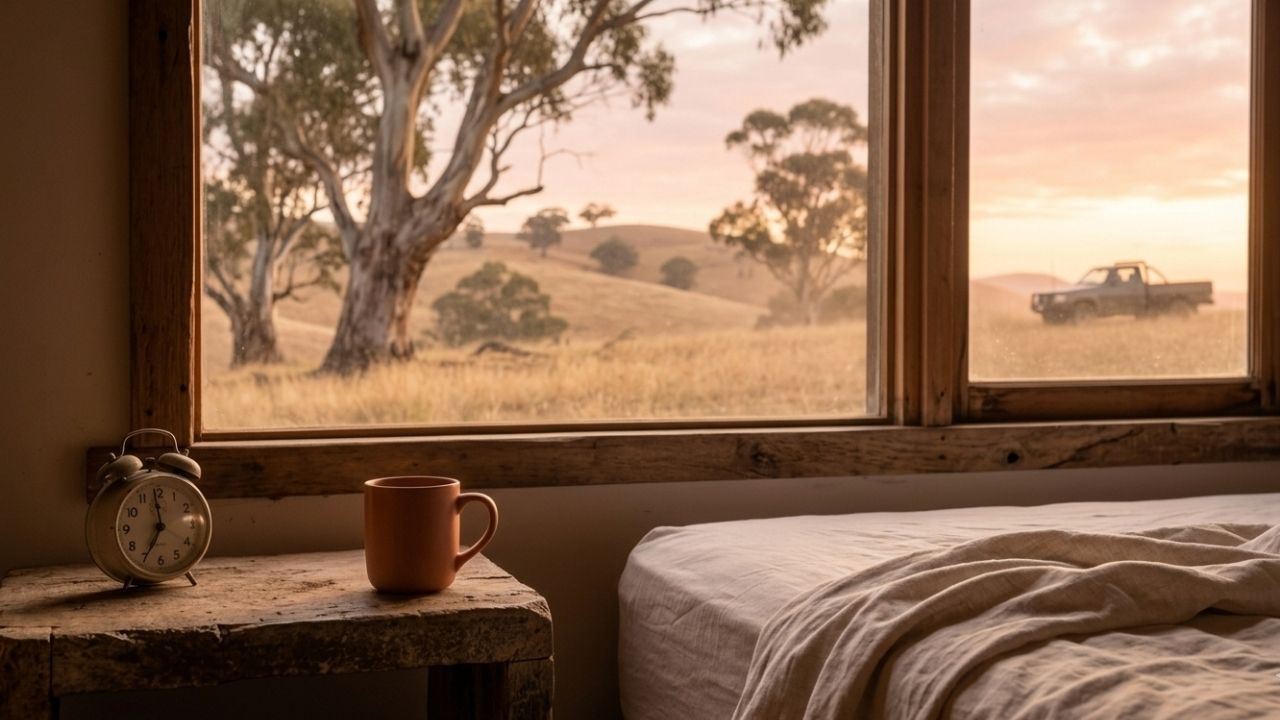
Waking up on an Australian farm is rarely quiet or leisurely. The day starts early, shaped by the needs of animals, the weather and the season. It is practical, often physical, and deeply tied to the land.
The alarm goes off before sunrise
On many farms the first light of day is still a long way off when people get up. Dairy farmers commonly rise between 3.30am and 5am to start milking. Beef and sheep producers may begin a little later, but still well before the sun is fully up. Homestead and mixed farms often follow a similar early rhythm.

The first sounds are usually natural ones. Birds start calling, dogs stir, and livestock make their presence known. On a dairy farm the cows may already be waiting near the gate. On a sheep or cattle property the quiet of the paddocks is broken by the occasional bellow or the pad of working dogs on the move.
First jobs of the day
Mornings are about checking and caring. Water troughs are inspected, pumps tested and fences scanned for damage. Animals are observed for any signs of trouble — a lame animal, a calf that looks off, or a ewe that needs help. Feed may be put out, hay delivered or irrigation systems switched on.

On dairy farms the milking parlour becomes the centre of activity. Cows are brought in, milked and returned to fresh pasture. Calves are fed. The process can take several hours and is often done to the sound of the radio or a favourite playlist. On other farms the ute is loaded and the first circuit of the property begins while the air is still cool.
The feel of the place
There is a particular quality to early morning on the land. The air is cooler and clearer. Light softens the paddocks and the sky often puts on a show of colour. Many farmers speak of this time as the best part of the day — before the heat builds, before the phone starts ringing and before the full list of jobs takes over.
It is also a time of quiet responsibility. Decisions made in these first hours — about water, feed, animal health or equipment — set the tone for everything that follows.
Variation across the country
No two farms are the same. A large cattle station in northern Australia feels very different from a dairy in Tasmania or a mixed farm in the wheat belt of Western Australia. Seasonal demands change the routine too. During lambing or calving, nights can be broken by checks. In harvest or shearing season the mornings stretch into long, intense days. In quieter periods there is more space for maintenance and planning.
Modern technology has changed some details. Many farmers now check weather apps, remote cameras or automated systems before they even leave the house. Yet the core of the morning remains physical and observational.
The honest reality
Waking up on an Australian farm is not glamorous. It can be cold, dusty, muddy or already hot. There are days when something has gone wrong overnight — a broken fence, a sick animal, or unexpected weather. The work is constant and the responsibility is real.
At the same time, many people who live this life describe a deep satisfaction in it. The connection to animals, the changing light across the paddocks, and the sense of starting the day with clear purpose keep them going. For those who grow up with it or choose it, the early mornings become simply part of the rhythm of life on the land.