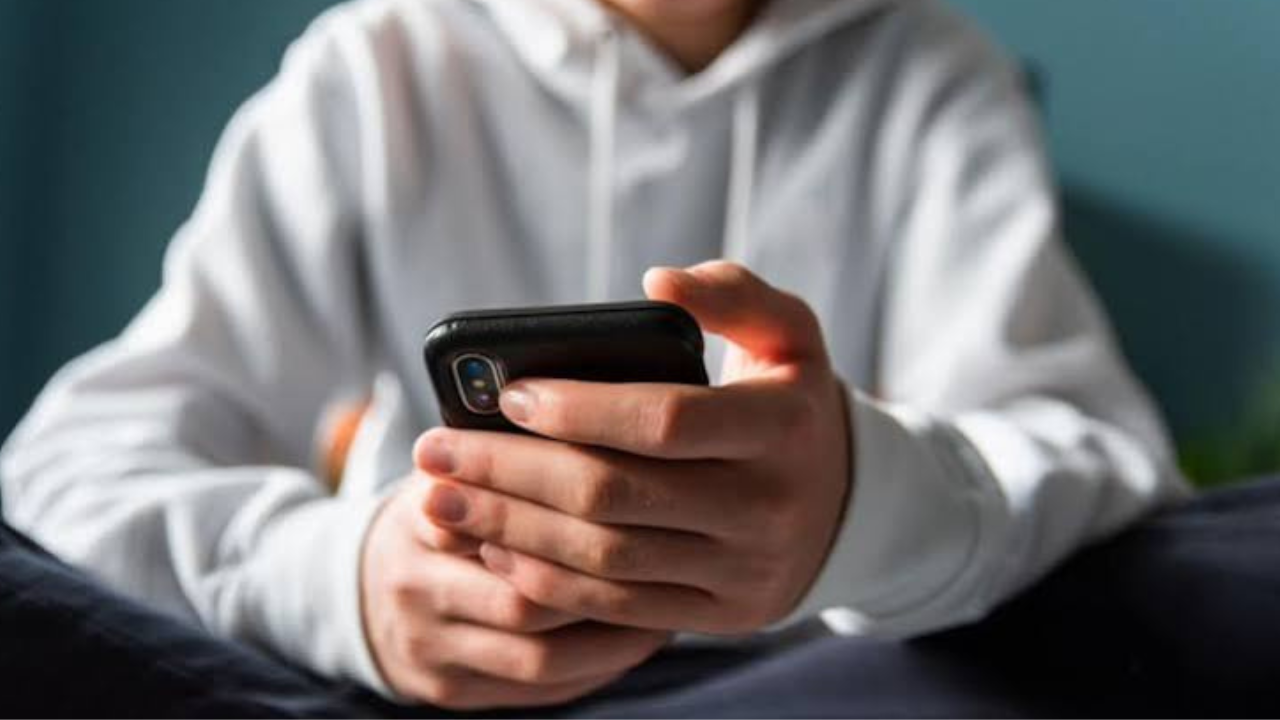
Smartphones have become part of everyday life for millions of Americans, but a new Pew Research Center study shows that many people now feel they are spending too much time on their phones. The concern is especially strong among younger adults.
The survey also shows that many Americans are trying to cut back, although not everyone finds it easy to reduce their smartphone use.
More Than Half of Americans Say They Spend Too Much Time on Their Phones
A new survey of 9,750 U.S. adults found that 53% say they spend too much time on their smartphones. Another 36% say the amount of time they spend on their phone is about right, while only 3% say they spend too little time using one.
The survey was conducted from May 26 to June 1, 2026. The results show that smartphone use is no longer just about how often people use their devices. For many Americans, the bigger question is whether they are using them more than they would like.
This feeling is much stronger among younger adults. Seven in 10 adults ages 18 to 29 say they spend too much time on their smartphones. Among adults ages 30 to 49, the figure is 64%.
Older Americans are less likely to feel the same way. About half of adults ages 50 to 64 say they spend too much time on their phones, compared with 25% of those ages 65 and older.

| Age group | Say they spend too much time on smartphone | Say time is about right | Say they spend too little time |
|---|---|---|---|
| All U.S. adults | 53% | 36% | 3% |
| Ages 18-29 | 70% | 20% | 2% |
| Ages 30-49 | 64% | 29% | 2% |
| Ages 50-64 | 49% | 43% | 3% |
| Ages 65+ | 25% | 54% | 3% |
Younger Americans Are the Most Likely to Feel Overloaded
The study shows a clear age gap in how Americans view their smartphone use.
Among adults under 30, 70% say they spend too much time on their smartphones. That is the highest share of any age group. Adults ages 30 to 49 follow at 64%.
The difference becomes even clearer among older adults. Less than half of people ages 50 to 64 say they spend too much time on their phones, while only one in four adults ages 65 and older say this.
This does not mean older Americans rarely use smartphones. Instead, the results suggest that younger adults are more likely to feel that their phone use has become excessive.
About One in Four Adults Use Their Phone Almost Constantly
The survey also looked at how often Americans say they use their smartphones.
About 26% of U.S. adults say they use their smartphone almost constantly. Another 60% say they use it several times a day.

Again, younger adults stand out. Among people ages 18 to 29, 42% say they use their smartphone almost constantly. The share falls to 33% among those ages 30 to 49, 21% among those ages 50 to 64 and 9% among adults 65 and older.
This helps explain why concerns about smartphone time are particularly strong among younger Americans. For many people in this age group, the phone is used throughout the day for communication, entertainment, information and other activities.
Many Americans Are Already Trying to Cut Back
Feeling that a phone is taking up too much time does not always lead to less use. Still, a large number of Americans say they have tried to reduce their smartphone use.
Overall, 45% of U.S. adults say they tried to cut back on the amount of time they spent on their smartphone during the previous 12 months. A similar 46% say they did not try to reduce their use.
Adults under 50 were much more likely to say they had tried to cut back.
- 58% of adults ages 18 to 49 say they tried to reduce their smartphone use.
- 39% of adults ages 50 to 64 say they tried to cut back.
- 23% of adults ages 65 and older say they tried to reduce their use.
Among people who tried to cut back, 25% say they were extremely or very successful. Another 52% say they were somewhat successful, while 23% say they were not too or not at all successful.

The numbers suggest that wanting to spend less time on a smartphone and actually doing it are two different things.
Sleep Is the Biggest Concern Linked to Smartphone Use
The study also asked Americans whether smartphone use helps or hurts different parts of their lives.
Sleep stands out as the clearest concern. Overall, 41% of adults say smartphone use hurts the amount of sleep they get, while only 5% say it helps. Another 46% say smartphone use neither helps nor hurts their sleep.
Younger adults report the biggest impact. Among adults ages 18 to 29, 62% say using their smartphone hurts how much sleep they get.
The same age group also reports concerns about productivity and mood. Nearly half of adults ages 18 to 29 say smartphone use hurts their productivity, while 31% say it hurts their mood.
The results do not say that smartphones are the only reason people have sleep or productivity problems. They show how Americans themselves view the effect of their smartphone use.
Smartphones Still Provide Important Benefits
Despite these concerns, Americans do not see smartphones as entirely negative.
The survey found that 73% of adults say smartphone use helps them stay informed. Another 51% say it helps them feel connected to other people.
Views are more mixed when it comes to productivity and mood. About 30% say smartphones help their productivity, while 34% say they hurt it. For mood, 18% say smartphones help, 22% say they hurt and 51% say they do neither.
This shows why simply calling smartphone use good or bad misses the bigger picture. The same device can help someone stay in touch with family, find information or manage daily tasks while also making it harder for that person to put the phone down.
What the Pew Findings Really Show
The new findings point to a growing awareness among Americans that smartphone use can take up more of their day than they want.
The issue is especially clear among younger adults, who are both more likely to use their phones almost constantly and more likely to say they spend too much time on them. They are also more likely to have tried to cut back.

At the same time, the survey shows that smartphones remain useful. Americans widely say their phones help them stay informed and connected. The concern is not simply about owning or using a smartphone. It is about finding a level of use that does not interfere with other parts of daily life.
Final Takeaway
The latest Pew findings show that smartphone time has become a real concern for many Americans. More than half of U.S. adults say they spend too much time on their phones, and the share rises to 70% among adults ages 18 to 29.
Many people are already trying to reduce their use, but success is mixed. Sleep is the area where Americans report the clearest negative effect, while staying informed and connected are the strongest benefits.
The overall message is simple: Americans still depend heavily on their smartphones, but more people are starting to question how much of their day they should give to them.