
 Join WhatsApp
The Google Pixel 11 Pro XL has made a strong step forward in video recording, but getting the best results requires more than simply opening the camera and pressing record. The right settings can make a noticeable difference.
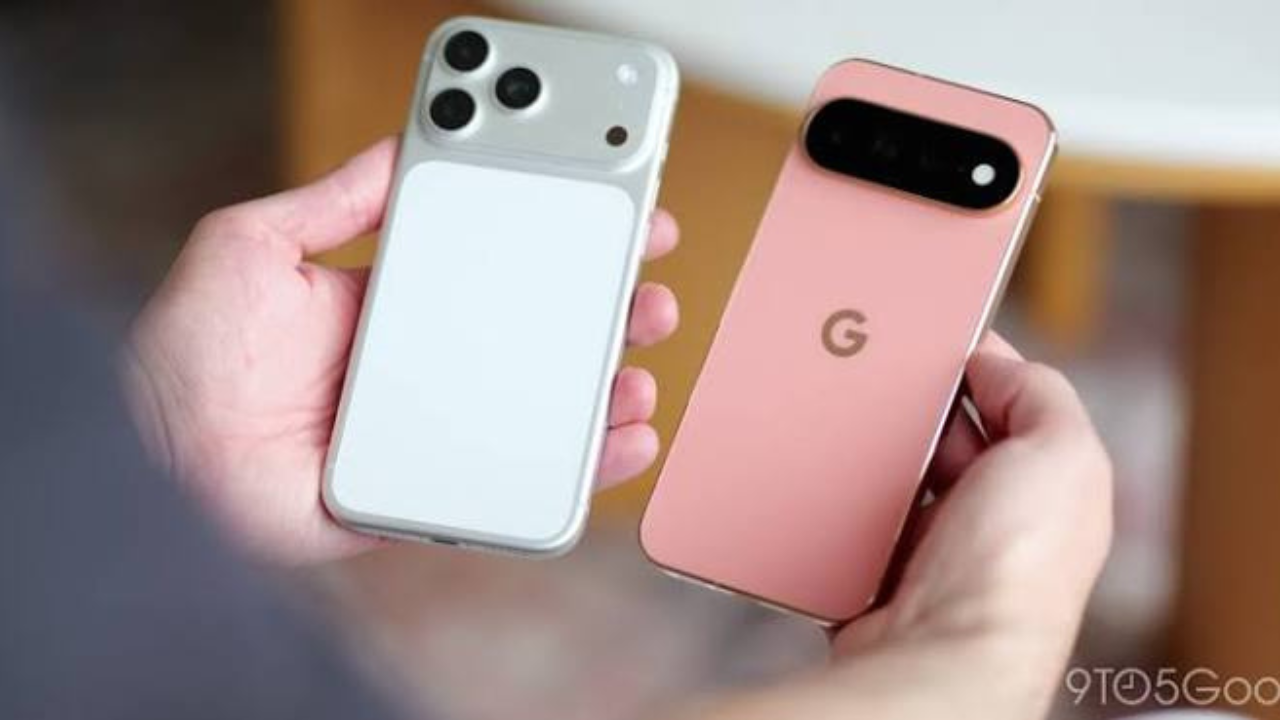
The phone now offers improved video processing and camera hardware, giving it a much stronger position against Apple’s iPhone 17 Pro. Still, the iPhone remains a very strong video phone, so the Pixel’s advantage depends heavily on how and where you record.
Pixel 11 Pro XL finally takes video more seriously
Google’s Pixel phones have long been praised for taking excellent still photos, but video has been a weaker area compared with the iPhone. That gap has been especially noticeable when recording moving subjects, changing between lenses or shooting in difficult lighting.
The Pixel 11 Pro XL changes that picture. Its new camera system and Google’s processing improvements make video footage more detailed and stable than before.
The phone also benefits from Google’s upgraded Tensor G6 platform and new software features. The Pixel 11 series includes improvements to the ultra-wide and telephoto cameras, while Google’s image processing remains a major part of the camera experience.
However, this does not mean the Pixel automatically beats the iPhone in every video test.
The right settings make the biggest difference
The key lesson for Pixel 11 Pro XL owners is simple: do not leave every camera option on its default setting if video quality is your priority.

For everyday recording, 4K at 60 frames per second is the best starting point when there is enough light. It provides smoother motion and gives you more flexibility when editing footage later.
When lighting becomes poor, however, 4K at 30fps can be a better choice. Recording at 60fps requires more light for each frame, so moving to 30fps can help the phone produce cleaner footage in darker conditions.
A simple setup for most users looks like this:
- Use 4K at 60fps outdoors or in good indoor lighting
- Switch to 4K at 30fps when recording in darker conditions
- Keep HDR enabled when you want better detail between bright and dark areas
- Avoid extreme digital zoom when you want the cleanest video
The best setting is still the one that matches the situation. A higher frame rate is not automatically better if there is not enough light.
Pixel 11 Pro XL vs iPhone 17 Pro for video
The iPhone 17 Pro remains a serious competitor because Apple has spent years improving video recording, stabilization, color and consistency between cameras.
The Pixel 11 Pro XL has an advantage in some situations because Google’s processing can produce strong detail and dynamic range. The phone is also particularly good when its AI-based processing is able to clean up difficult scenes.
But Apple’s phone remains more consistent when switching between cameras or recording rapidly changing scenes. This is one reason the iPhone continues to be a popular choice for people who record video professionally or regularly.

Earlier testing of the Pixel 10 Pro showed that Google had improved stabilization, but reviewers still found its overall video quality behind the iPhone. The Pixel 11 generation represents an important attempt to close that gap.
Camera hardware gives the Pixel an advantage in some shots
The Pixel 11 Pro XL uses a triple rear-camera system. The main camera is joined by an ultra-wide camera and a telephoto camera.
Recent testing has found that Google improved the ultra-wide and telephoto sensors on the Pixel 11 Pro series. The phone also continues to offer Google’s strong computational photography features.
The camera setup is especially useful when you need different viewpoints without moving closer to the subject.
For example, the telephoto camera can be useful for recording a person on a stage, while the ultra-wide camera works better for large groups or wider scenes.
Pixel 11 Pro XL video specifications
| Feature | Pixel 11 Pro XL |
|---|---|
| Main camera | 50MP |
| Ultra-wide camera | 50MP |
| Telephoto camera | 48MP |
| Telephoto optical zoom | 5x |
| Video recording | Up to 4K |
| Main video options | 4K at multiple frame rates |
| Processor | Google Tensor G6 |
| Software | Android 17 |
The Pixel 11 Pro XL also has a very bright display. Independent testing measured peak brightness at about 2,877 nits, which makes checking footage outdoors easier.
Where the iPhone 17 Pro still has an edge
The Pixel’s improved video performance should not be confused with a complete victory over Apple’s phone.

The iPhone 17 Pro continues to have several strengths that matter to serious video creators. Apple has built a mature video system around stable color, smooth stabilization and strong recording controls.
This consistency is important when recording several clips that will later be joined together. If one camera produces noticeably different colors from another, editing becomes harder.
The iPhone also has a strong advantage in processing performance. Recent testing shows that the Pixel 11 Pro XL’s Tensor G6 remains well behind Apple’s flagship chip in raw CPU and graphics performance.
That does not automatically make the iPhone’s videos better, but it shows that Google’s main strength remains camera processing rather than raw chip performance.
The Pixel is better suited to Google’s camera style
Google’s approach is different from Apple’s. The Pixel relies heavily on software to process what the camera sees.
That can produce excellent results without requiring users to understand complicated camera controls. Google’s processing can recover detail, improve exposure and adjust colors after the image has been captured.
The Pixel 11 series adds more software tools to this approach. One example is Magic Capture, which records a short video and uses AI to identify useful frames. This can help when photographing moving people or pets because you do not have to capture the perfect still image at exactly the right moment.

For casual creators, these features can be more useful than a long list of professional controls.
Should you choose Pixel 11 Pro XL or iPhone 17 Pro?
The answer depends on how you shoot.
| Your priority | Better choice |
|---|---|
| Easy point-and-shoot video | Pixel 11 Pro XL |
| Consistent professional video | iPhone 17 Pro |
| Google’s AI camera tools | Pixel 11 Pro XL |
| Strong camera zoom | Pixel 11 Pro XL |
| Raw processing power | iPhone 17 Pro |
| Outdoor screen visibility | Pixel 11 Pro XL |
| Simple video editing workflow | iPhone 17 Pro |
| Google’s photo and video processing | Pixel 11 Pro XL |
Neither phone is a universal winner. The Pixel becomes especially interesting for people who already like Google’s photography style and want much better video without giving up Pixel camera features.
Battery life remains a weakness
There is one area where the Pixel 11 Pro XL does not clearly dominate. Battery life has improved only slightly over the previous generation in independent testing.
One test measured the Pixel 11 Pro XL at 14 hours and 28 minutes, compared with 14 hours and 10 minutes for the Pixel 10 Pro XL. The iPhone 17 Pro Max lasted considerably longer in the same test.
This matters for people who record a lot of video. Video recording can put heavy demands on the processor, cameras and display, so a creator planning a long shooting session should keep a charger or power bank nearby.
Final verdict
The Pixel 11 Pro XL is not simply a still-photo phone anymore. Google has made meaningful progress with video, and the right settings can help the phone produce footage that can compete much more closely with Apple’s iPhone 17 Pro.

The biggest lesson is to choose your recording settings based on the scene. Use 4K at 60fps when there is plenty of light, move to 30fps in darker conditions, and avoid unnecessary digital zoom.
The iPhone 17 Pro remains the safer choice for creators who want highly consistent video with minimal adjustment. But for users who prefer Google’s camera processing, AI tools and strong zoom capabilities, the Pixel 11 Pro XL is now a much more serious video alternative.
In other words, the Pixel does not win simply because of its hardware. It wins when Google’s camera processing is given the right settings and the right shooting conditions.