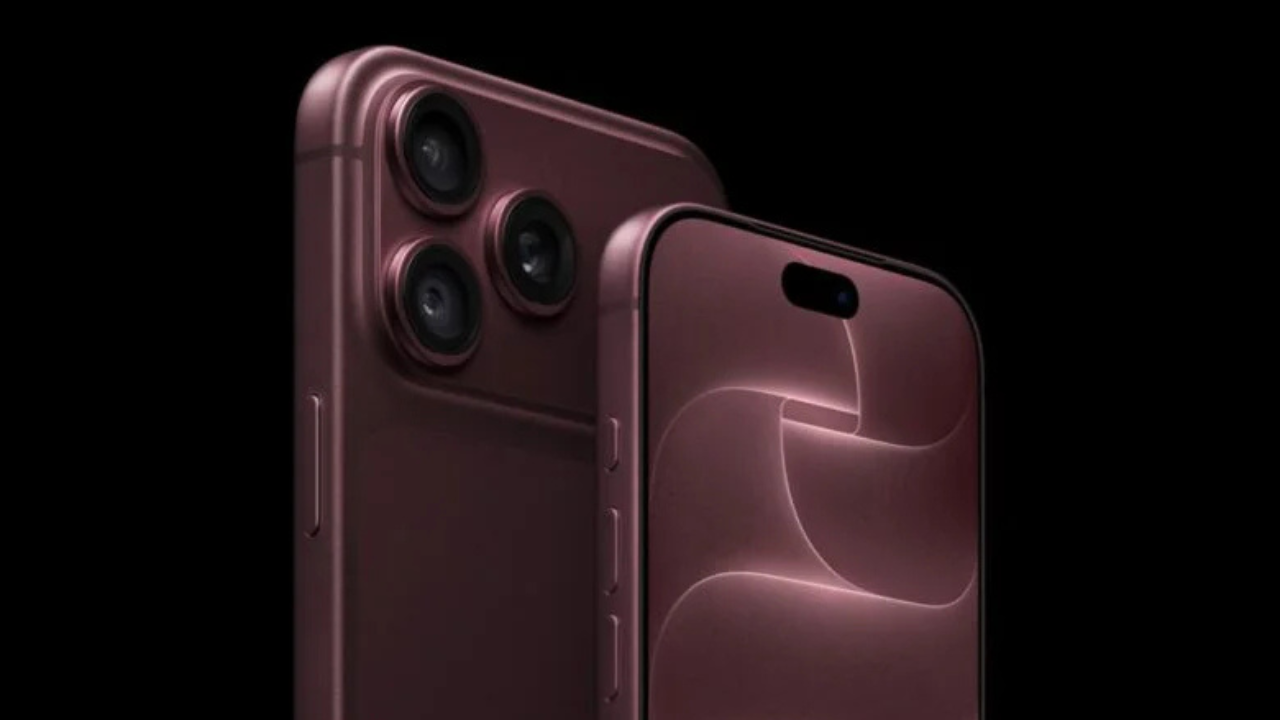
Apple has made one of the biggest camera changes in the iPhone 18 Pro series by adding a variable aperture to the main camera. The feature lets the camera change how much light enters the lens, giving the iPhone more control over exposure and the look of photos.
The feature was also teased by Apple’s new CEO, John Ternus, shortly before the iPhone 18 Pro launch. His short video showed a changing beam of light passing through an opening that strongly suggested an adjustable camera aperture. Apple later confirmed the variable-aperture camera as part of the iPhone 18 Pro and Pro Max.
What is a variable aperture?
Aperture is the opening inside a camera lens that controls how much light reaches the camera sensor.
Most smartphone cameras use a fixed aperture. That means the physical opening stays the same, while the phone relies on software, shutter speed and other camera controls to deal with different lighting conditions.
A variable aperture works differently. The opening can become wider or narrower depending on what the camera needs.
On the iPhone 18 Pro and Pro Max, the new 48MP Fusion Main camera has a mechanical variable aperture. Reports following Apple’s launch put the range at approximately f/1.48 to f/4.
In simple terms, the camera can now physically change the size of the opening instead of depending entirely on software to handle different lighting situations.
What did John Ternus reveal before the launch?
John Ternus posted a short video on September 9, shortly before Apple’s iPhone event. The video did not name the iPhone or explain the feature.
Instead, it showed a beam of light changing shape and size as it passed through what appeared to be a camera opening. The changing opening looked very much like a mechanical aperture.

At the time, the video was treated as a teaser rather than a formal specification. After Apple introduced the iPhone 18 Pro, the connection became clear: the new phones use a variable-aperture main camera.
The teaser was especially notable because it came from Ternus during his first iPhone launch as Apple’s CEO.
How does the iPhone 18 Pro aperture work?
The new camera uses a physical mechanism that can change the opening of the lens.
A wider aperture lets more light reach the sensor. A narrower aperture lets in less light and can increase the amount of a scene that appears acceptably sharp.
Apple’s new system gives the main camera a range from about f/1.48 at its widest setting to f/4 at its narrowest.
| Aperture setting | What it generally does |
|---|---|
| Wider aperture, such as f/1.48 | Lets in more light and can create stronger background blur |
| Middle settings | Balance light and depth of field |
| Narrower aperture, such as f/4 | Lets in less light and can keep more of a scene in focus |
The exact result depends on the subject, lighting, distance and other camera settings. Aperture is only one part of how a photograph is created.
Why does a wider aperture matter?
The biggest benefit of the wider f/1.48 setting is that the camera can let more light reach the sensor.
That can be useful indoors, at night or in other situations where there is not much available light. More light can allow the camera to use a faster shutter speed or lower the amount of image processing needed to brighten a dark photo.
The new wider opening can also produce a shallower depth of field. In simple terms, the subject can appear sharp while parts of the background become more blurred.

This is a real optical effect rather than software simply drawing a blur around a person.
The difference should not be exaggerated, though. Smartphone camera sensors are still much smaller than the sensors found in many dedicated cameras. The practical effect of changing aperture on a phone is therefore more limited than it would be on a larger camera.
Why would you want to close the aperture?
A wider aperture is not always better.
Imagine taking a group photo indoors. With a very wide aperture, the person closest to the camera may be sharp while someone farther away is slightly out of focus.
Closing the aperture can increase the depth of field, allowing more of the scene to remain in focus.
A narrower aperture can also be useful when there is plenty of light and the photographer wants greater control over the amount of the scene that appears sharp.
This is one reason variable aperture is more interesting than simply giving the iPhone a permanently wider lens.
How is this different from Portrait mode?
Portrait mode and variable aperture solve related but different problems.
Portrait mode mainly uses software and image processing to separate a subject from the background and create a blurred-background effect.

A physical aperture changes the way light enters the lens before the image reaches the sensor. That means the resulting depth-of-field effect comes partly from the optics of the camera itself.
The iPhone 18 Pro can therefore combine physical aperture control with Apple’s computational photography.
This does not mean Portrait mode becomes unnecessary. Software can still help with subject separation and other effects. Instead, the variable aperture gives the camera another physical tool to work with.
Does the variable aperture improve video?
It can also be useful when recording video.
Video cameras need to balance exposure while keeping shutter speed and other settings within useful ranges. A physical aperture gives the camera another way to control incoming light.
For example, moving from a bright outdoor scene into a darker area can require the camera to adjust exposure. Having a variable aperture gives the system more flexibility.
The iPhone 18 Pro also adds professional camera controls, including manual adjustments for settings such as shutter speed and white balance, giving experienced users more control inside Apple’s Camera app.
Is the variable aperture the biggest camera upgrade?
It is certainly one of the most important new hardware changes, but it is not the only camera improvement.
The iPhone 18 Pro and Pro Max have a 48MP Fusion Main camera with the new variable aperture. Apple has also added more control for users who want to adjust camera settings manually.

The real importance of the aperture will depend on how often people actually use the different settings and how much the wider opening improves photos in everyday situations.
For most casual users, Apple’s automatic camera processing will probably make many of the decisions in the background. More experienced photographers can get more value from having direct control.
What this means for everyday iPhone users
The variable aperture does not mean every photo will suddenly look dramatically better.
In bright daylight, the difference may be difficult to notice in many ordinary photos. Apple’s software already does a great deal of work to produce good images in challenging conditions.
The feature becomes more interesting when you want greater control over the image.
It can be useful for:
- Taking photos in darker environments
- Creating natural background blur
- Keeping more of a scene in focus
- Giving experienced photographers more control over exposure
The biggest change is therefore not simply image quality. It is the additional control Apple is giving the camera.
Why Apple’s move matters
Variable aperture has existed in other smartphone cameras, so Apple is not the first phone maker to use the technology.
What makes the iPhone 18 Pro implementation notable is how Apple combines the mechanical aperture with its existing image processing, camera software and professional controls.

Apple has traditionally relied heavily on computational photography to produce consistent results. Adding physical aperture control gives the company another way to shape the image before software processing takes place.
That combination could make the feature more useful than treating variable aperture as a standalone hardware upgrade.
The bottom line
The iPhone 18 Pro’s variable aperture is a meaningful change because it gives the main camera something previous iPhones did not have: a physical opening that can change size.
John Ternus appeared to hint at the feature before Apple’s launch with a short video showing a changing beam of light. After the launch, Apple confirmed that the iPhone 18 Pro and Pro Max use a 48MP Fusion Main camera with mechanical variable aperture.
The wider aperture can help bring more light into the camera and create a shallower depth of field, while the narrower setting can help keep more of a scene in focus. The feature also gives photographers more control than a traditional fixed-aperture smartphone camera.
For everyday users, the difference will not appear in every photograph. But for people who care about photography, portraits, low-light shots and manual control, the variable aperture is one of the most interesting changes Apple has made to the iPhone camera system.