
 Join WhatsApp
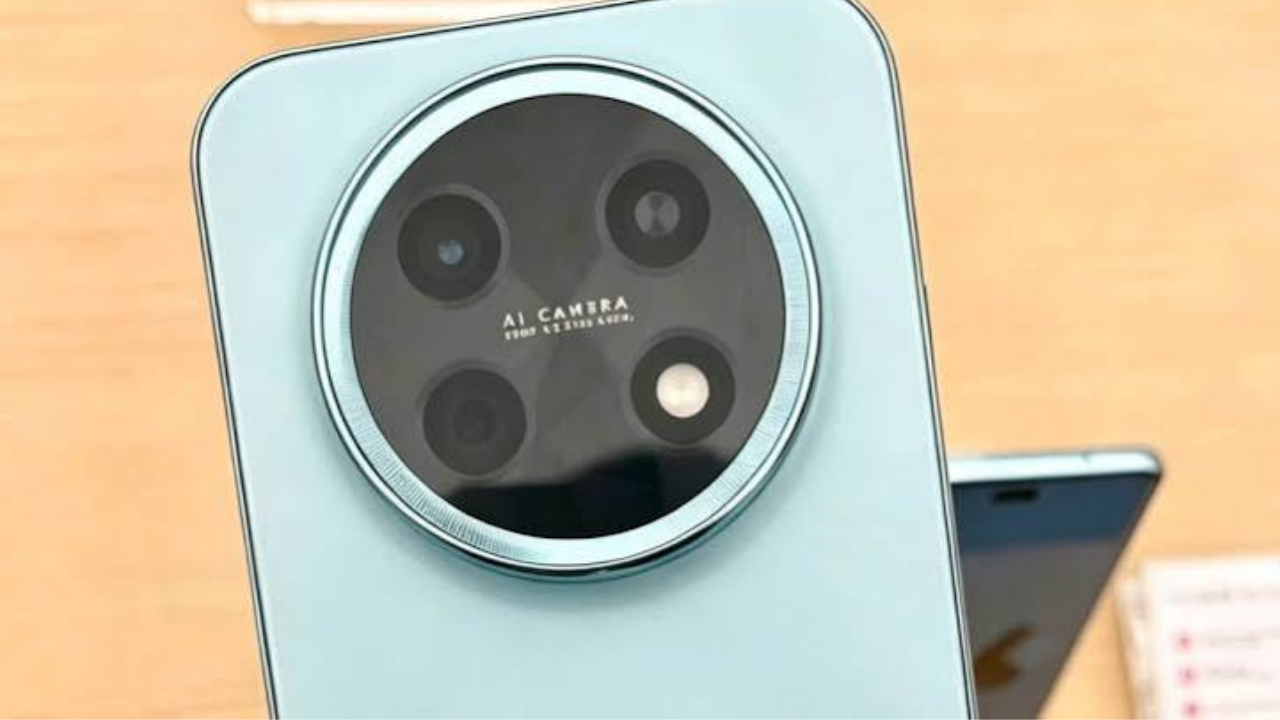
Huawei strengthened its position in China’s smartphone market during the second quarter of 2026, even as the overall market remained under pressure. The company took the top spot, with recent market data showing a sharp rise in its share compared with the same period last year.
One important part of Huawei’s progress has been the wider return of its Kirin 5G chips. The company has brought 5G-enabled Kirin processors to more models, including phones outside its most expensive flagship range. This has helped Huawei offer more locally developed hardware across different price levels.
China’s smartphone market was still under pressure
The overall Chinese smartphone market did not grow in Q2 2026. Different research groups reported slightly different figures, but they agreed on the main trend: shipments declined from a year earlier.
IDC estimated that around 66 million smartphones were shipped in China during the quarter, down 4.3% from Q2 2025. It was the fifth straight quarter in which China’s smartphone shipments declined year over year.
Counterpoint Research reported a smaller 2% year-over-year decline in shipments. Its data also showed Huawei leading the market with a 23% share.
That makes Huawei’s performance more notable. The company was growing while the wider market was shrinking.

| Market measure | Q2 2026 result |
|---|---|
| China smartphone shipments, IDC | About 66 million |
| IDC year-over-year change | -4.3% |
| Counterpoint year-over-year change | -2% |
| Huawei market share, IDC | 22.6% |
| Huawei market share, Counterpoint | 23% |
| Huawei year-over-year shipment growth, IDC | 19.4% |
| Huawei year-over-year shipment growth, Counterpoint | About 24% |
The difference between the research firms comes from their different tracking methods and data sets. The important point is that both placed Huawei clearly in first place.
Kirin 5G is becoming a bigger part of Huawei’s phone lineup
Huawei’s Kirin processors have become an important part of the company’s effort to build more of its smartphone technology in China.
The latest market analysis from Counterpoint specifically points to the return of 5G Kirin chips in Huawei’s Enjoy series as one reason for the company’s strong Q2 performance. The Enjoy 90 Pro Max and Mate 80 were among the company’s main sales drivers, while the newer nova 16 series also performed well.
This matters because Huawei is no longer depending only on very expensive flagship phones to attract buyers. By bringing Kirin 5G hardware into more products, the company can offer its own processor technology to a wider group of customers.
The move also gives Huawei a stronger position at a time when Chinese phone makers are dealing with higher component costs.
Huawei grew while several rivals lost ground
Huawei’s gains stand out when compared with other major smartphone brands in China.

IDC found that Huawei and Apple were the only major companies in its Q2 data to record shipment growth. Huawei’s shipments rose 19.4%, while Apple’s increased 24.4%. Other major Android brands declined.
Counterpoint also showed Huawei and Apple moving against the broader market trend. Huawei held a 23% share, followed by Apple at 18%. OPPO, vivo, Honor and Xiaomi were behind them.
Several factors helped Huawei, and Kirin 5G was only one of them. Its wider product lineup and stable pricing also played an important role.
Why Kirin matters beyond the processor itself
For smartphone buyers, a phone’s processor affects speed, battery use, camera processing and many other parts of the experience. But Huawei’s Kirin chips also have a wider importance for the company.
Developing its own mobile processors gives Huawei more control over the hardware and software used in its phones. It can design phones around its own chips rather than relying entirely on processors from outside suppliers.
The return of 5G Kirin chips is especially important because 5G support has become a basic expectation in higher-priced smartphones in China.
The key points from Huawei’s Q2 performance include:
- Huawei remained China’s largest smartphone brand by shipment share.
- Kirin 5G chips returned to more models, including the Enjoy series.
- The Mate 80 family and Enjoy 90 Pro Max were among Huawei’s important sales drivers.
- Huawei grew despite a decline in China’s overall smartphone market.
Rising memory costs are changing the market
Huawei’s growth came at a difficult time for the smartphone industry. Memory and other component costs rose sharply during 2026, putting pressure on phone makers.
Counterpoint said higher memory costs pushed manufacturers toward more cautious production and higher-margin products. The pressure also contributed to further price increases across parts of the market.
IDC similarly said rising memory and component costs caused many Android manufacturers to raise prices or reduce the availability of cheaper models. That made some consumers less willing to upgrade.
Huawei benefited from keeping prices relatively steady while other manufacturers faced stronger pressure to raise prices. This made its phones more attractive to some buyers who were already hesitant to spend money on a new device.
The competition is getting tougher
Huawei’s strong Q2 does not mean the Chinese smartphone market is returning to rapid growth. The market remains difficult, and manufacturers are facing higher costs and cautious consumers.

Apple also had a very strong quarter. IDC reported that Apple increased its China shipments by 24.4% and reached an 18.1% market share.
Other major brands had a harder time. IDC reported year-over-year shipment declines of 21.7% for Xiaomi, 11.4% for vivo and 9.7% for OPPO during the quarter.
This creates a market where strong products, pricing and brand loyalty matter more than simply selling large numbers of cheaper phones.
What Huawei’s Q2 performance could mean next
Huawei’s Q2 results show that its smartphone business has become more competitive even during a market downturn. The wider use of Kirin 5G chips is helping the company place its own technology in more devices, while its broader phone lineup gives buyers more choices.
The company still faces challenges. Component costs remain high, the overall market is under pressure and rivals are continuing to develop their own chips and premium devices. Xiaomi, for example, has also been expanding its in-house chip efforts, showing that China’s smartphone chip competition is becoming more active.
For Huawei, however, the Q2 numbers are an important sign of progress. Its market share reached the highest level reported by Counterpoint since late 2020, while its shipment growth stood out against a declining Chinese market.

Kirin 5G is helping Huawei rebuild its smartphone position
Huawei’s strong performance in Q2 2026 was not caused by a single phone or a single chip. Pricing, product launches, brand strength and demand for its devices all played a role.
Still, the wider use of Kirin 5G processors is an important part of the story. By bringing its own 5G chip technology to more phones, Huawei is strengthening its control over its smartphone hardware while giving customers more locally developed options.
With Huawei holding roughly 23% of China’s smartphone market in Counterpoint’s Q2 data, the company has clearly moved further ahead of several major rivals. The bigger question for the rest of 2026 is whether Huawei can maintain that momentum while the Chinese smartphone market continues to deal with high component costs and weaker overall demand.