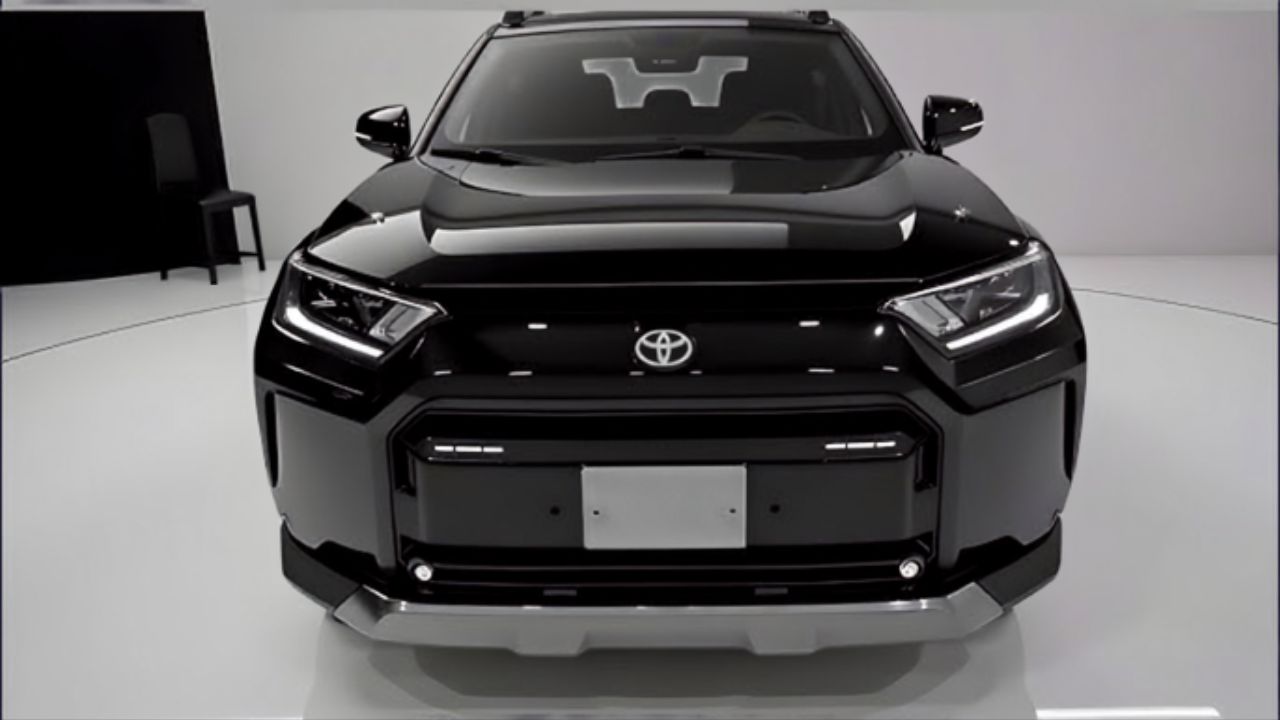
Toyota has no shortage of popular SUVs. The RAV4 is known for its practicality and efficiency, while the 4Runner attracts buyers who want a tougher, more adventure-focused vehicle. But there is another Toyota SUV that deserves serious attention: the 2026 Toyota Grand Highlander.
With three rows, generous cargo space, three powertrain choices and available hybrid technology, the Grand Highlander is built to handle everyday family life without moving all the way up to a full-size SUV. It can seat up to eight people and offers up to 97.5 cubic feet of cargo space with the rear seats folded.
Why the Grand Highlander Could Be Toyota’s Best All-Round SUV
The Grand Highlander sits in a useful spot in Toyota’s SUV lineup.
The RAV4 is smaller and easier to maneuver, while the 4Runner is designed with a stronger focus on rugged driving and off-road capability. The Grand Highlander takes a different approach by focusing on passenger space, comfort, fuel efficiency and long-distance family travel.
That combination makes it particularly attractive for buyers who spend most of their time on paved roads but still need plenty of room.
The 2026 Grand Highlander starts at $42,260 before additional charges and options, putting it in an interesting position for a large family SUV.
Three Powertrains Give Buyers More Choice
One of the biggest strengths of the Grand Highlander is its choice of three powertrains.
The standard gasoline model uses a 2.4-liter turbocharged four-cylinder engine producing 265 horsepower and 310 lb-ft of torque.
The regular hybrid uses a 2.5-liter engine and produces 245 net combined horsepower. For buyers who want significantly more performance, the Hybrid MAX produces 362 net combined horsepower and 400 lb-ft of torque.
| Powertrain | Output | Main Advantage |
|---|---|---|
| 2.4L Turbo Gas | 265 hp / 310 lb-ft | Strong everyday performance |
| 2.5L Hybrid | 245 hp | Fuel efficiency |
| 2.4L Hybrid MAX | 362 hp / 400 lb-ft | High performance |
This range means the Grand Highlander can appeal to very different types of buyers.
The Hybrid Could Be the Sweet Spot
For families that drive a lot of miles, the regular hybrid is arguably the most interesting version.
The 2026 Grand Highlander Hybrid can achieve up to an estimated 36 mpg combined, depending on the configuration. The Hybrid XLE is rated even higher at an estimated 37 mpg city and 34 mpg highway.
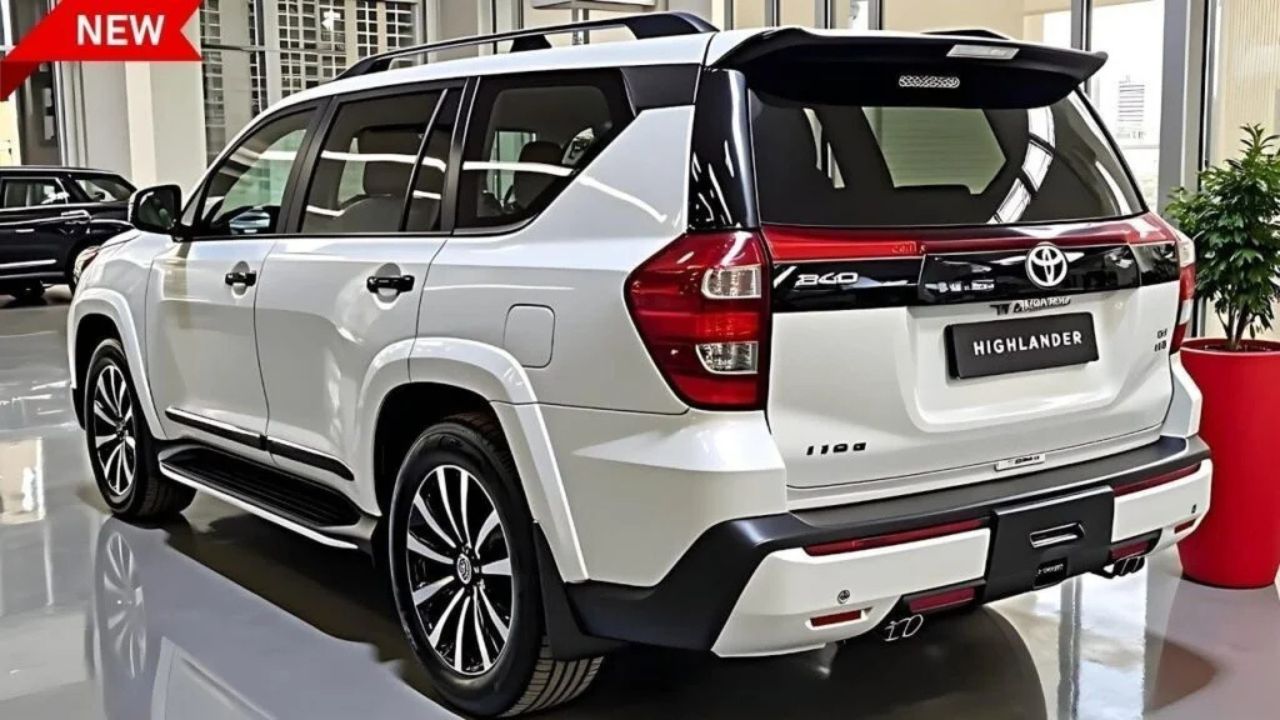
That is impressive for an SUV with three rows and room for up to eight passengers.
The hybrid system can be especially useful in city traffic, where frequent stops and starts give the vehicle more opportunities to use its electric assistance.
Hybrid MAX Is for Buyers Who Want More Power
The Hybrid MAX takes a very different approach.
Instead of focusing primarily on fuel savings, it combines a turbocharged 2.4-liter engine with Toyota’s hybrid system to produce 362 horsepower and 400 lb-ft of torque.
That makes it the performance-focused choice in the Grand Highlander lineup.
It also offers up to 5,000 pounds of towing capacity, making it useful for buyers who want both strong acceleration and serious towing ability for a family SUV.
Plenty of Space for Passengers
The Grand Highlander’s biggest advantage over the RAV4 is obvious as soon as you look inside.
It has three rows and can accommodate up to eight people when equipped with the second-row bench seat. Seven-seat configurations are available with second-row captain’s chairs.
The third row was designed to be more useful for adults and older children than the cramped rear seats found in some three-row SUVs.
This makes a difference on long road trips, where third-row passengers need enough room to sit comfortably for extended periods.
Cargo Space Is a Major Strength
A three-row SUV can become frustrating when there is no room left for luggage after all the seats are occupied.
Toyota designed the Grand Highlander to address that problem.
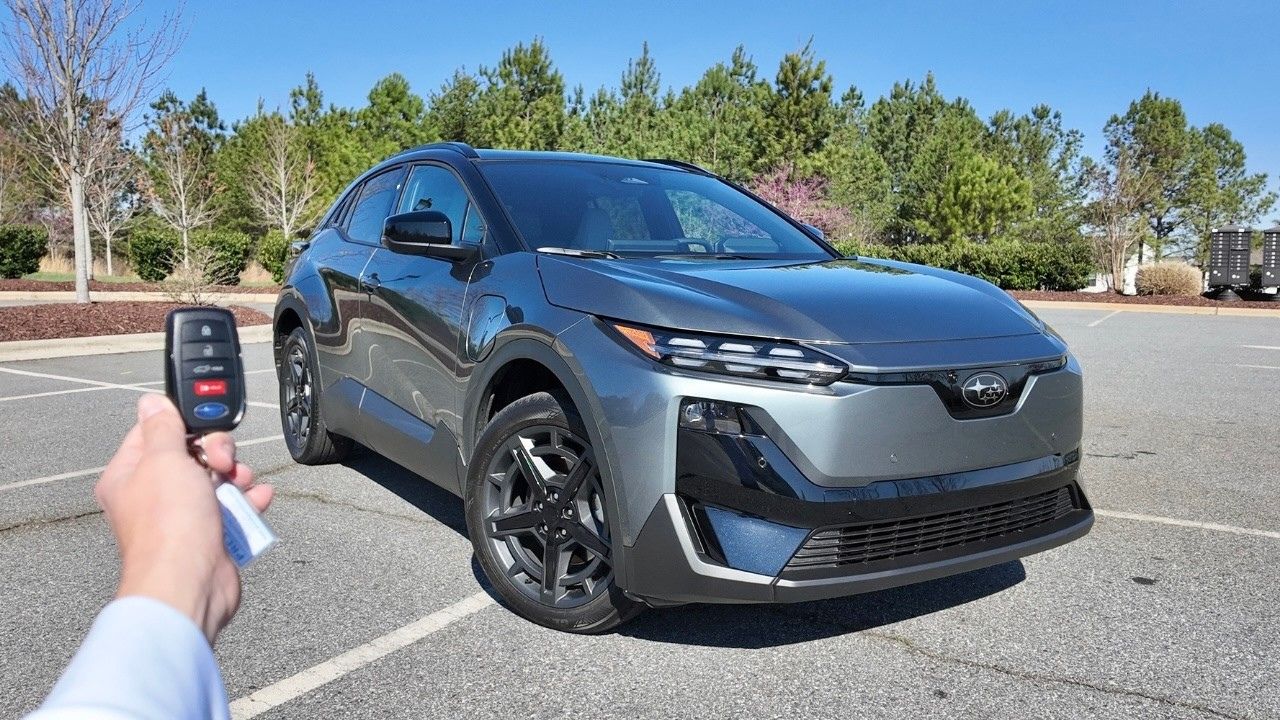
There is useful cargo space behind the third row, and folding the rear seats opens up as much as 97.5 cubic feet of total cargo room.
That gives families plenty of flexibility for luggage, groceries, sports equipment, camping gear and large purchases.
| Cargo Configuration | Main Benefit |
|---|---|
| All rows in use | Passenger-focused family travel |
| Third row folded | More room for luggage and equipment |
| Rear seats folded | Up to 97.5 cu. ft. of cargo space |
It Is More Comfortable Than Rugged
This is where the Grand Highlander differs most from the 4Runner.
The 4Runner is aimed at buyers who want a rugged SUV that can handle challenging trails and outdoor adventures.
The Grand Highlander is primarily a road-going family SUV.
It is designed around comfort, space and everyday usability rather than extreme off-road performance. For people who spend most of their time commuting, taking children to school, shopping and traveling on highways, that can actually be a bigger advantage.
Towing Capability Is Surprisingly Strong
The Grand Highlander is also more capable than its family-friendly image might suggest.
Gasoline versions can tow up to 5,000 pounds when properly equipped. The Hybrid MAX also reaches a 5,000-pound maximum towing rating, while regular hybrid versions are rated for up to 3,500 pounds.
That gives buyers a useful choice depending on what they need from the SUV.
- Gas versions can tow up to 5,000 pounds.
- Hybrid MAX can also tow up to 5,000 pounds.
- Regular hybrid versions can tow up to 3,500 pounds.
- Towing capacity depends on the specific configuration and equipment.
For occasional towing, the Grand Highlander can therefore handle much more than many family crossovers.
Modern Technology Inside
The 2026 Grand Highlander also has a strong technology package.
A 14-inch Toyota Audio Multimedia touchscreen is available, along with wireless Apple CarPlay and Android Auto compatibility.
Higher trims can add premium equipment such as upgraded audio, panoramic roof features, leather-trimmed seating and additional convenience technology.
The cabin is designed to feel modern without becoming overly complicated.
Safety Technology Comes Standard
Toyota also gives the Grand Highlander a comprehensive set of driver-assistance features.
The 2026 model comes with Toyota Safety Sense 3.0, which includes systems designed to assist with collision warnings, lane control and highway driving.
- Pre-Collision System with Pedestrian Detection.
- Full-Speed Range Dynamic Radar Cruise Control.
- Lane Departure Alert and Lane Tracing Assist.
- Automatic High Beams and Road Sign Assist.
These systems are designed to assist the driver, not replace the driver’s attention.
2026 Toyota Grand Highlander Key Specifications
| Specification | 2026 Grand Highlander |
|---|---|
| Vehicle type | Three-row midsize SUV |
| Seating | Up to 7 or 8 |
| Gas engine | 2.4L turbocharged four-cylinder |
| Gas output | 265 hp / 310 lb-ft |
| Hybrid output | 245 net combined hp |
| Hybrid MAX output | 362 net combined hp |
| Hybrid MAX torque | 400 lb-ft |
| Maximum cargo space | 97.5 cu. ft. |
| Maximum towing | Up to 5,000 lbs |
| Hybrid fuel economy | Up to 36 mpg combined |
| Starting MSRP | $42,260 |
| Safety system | Toyota Safety Sense 3.0 |
Grand Highlander vs. RAV4
The RAV4 and Grand Highlander serve very different buyers.
The RAV4 is smaller, easier to park and better suited to people who do not need three rows. It can also be a more affordable choice.
The Grand Highlander makes more sense when passenger space and cargo capacity are priorities.
| Feature | RAV4 | Grand Highlander |
|---|---|---|
| Size | Compact SUV | Three-row midsize SUV |
| Seating | Up to 5 | Up to 8 |
| Third row | No | Yes |
| Main strength | Compact practicality | Space and versatility |
| Best for | Smaller households | Larger families |
The RAV4 may be the smarter choice for a couple or small family, but the Grand Highlander has a clear advantage when more people and more luggage need to fit inside.
Grand Highlander vs. 4Runner
The 4Runner wins when off-road ability is the priority.
Its rugged design and adventure-focused engineering make it a better match for buyers who regularly leave paved roads.
The Grand Highlander is more focused on family comfort and road travel.
That makes the choice relatively simple. If you want a rugged adventure SUV, choose the 4Runner. If you want a comfortable three-row family vehicle, the Grand Highlander deserves a closer look.
Grand Highlander vs. Sequoia
The Sequoia sits higher in Toyota’s SUV lineup and offers greater size and traditional truck-based capability.
But bigger is not always better.
The Grand Highlander provides plenty of interior room without requiring buyers to move into a full-size SUV. It can be easier to manage in everyday driving while still providing three rows and strong towing capability.
For many families, the Grand Highlander may therefore be the better balance.
Which Grand Highlander Should You Buy?
The best version depends on how you drive.
The regular gas model is a strong choice for buyers who want a lower starting price and solid towing capability.
The regular hybrid is likely the best choice for drivers who spend a lot of time commuting and want to reduce fuel consumption.
The Hybrid MAX is for buyers who want the most performance while still keeping a hybrid powertrain.
Higher trims make more sense for customers who want premium comfort and additional technology.
What Could Be Better?
The Grand Highlander is not perfect.
Its larger body makes it less convenient in tight parking spaces than the RAV4. Buyers who rarely use the third row may also be paying for space they do not need.
The Hybrid MAX also sacrifices fuel economy compared with the regular hybrid because it is designed for much stronger performance.
And despite offering some useful capability, the Grand Highlander is not intended to replace the 4Runner for serious off-road driving.
The 2026 Toyota Grand Highlander may not be Toyota’s toughest SUV or its smallest SUV, but it could be one of the company’s best all-around choices for families.
It offers three rows, seating for up to eight, huge cargo capacity, three different powertrain choices and up to 5,000 pounds of towing capability. The regular hybrid can also deliver impressive fuel economy for a vehicle of this size.
The RAV4 remains the better option for buyers who want a smaller SUV. The 4Runner remains the stronger choice for rugged adventures. The Sequoia is better suited to buyers who need full-size capability.
But for someone looking for space, comfort, efficiency, technology and useful performance in one SUV, the Grand Highlander hits a very attractive middle ground.