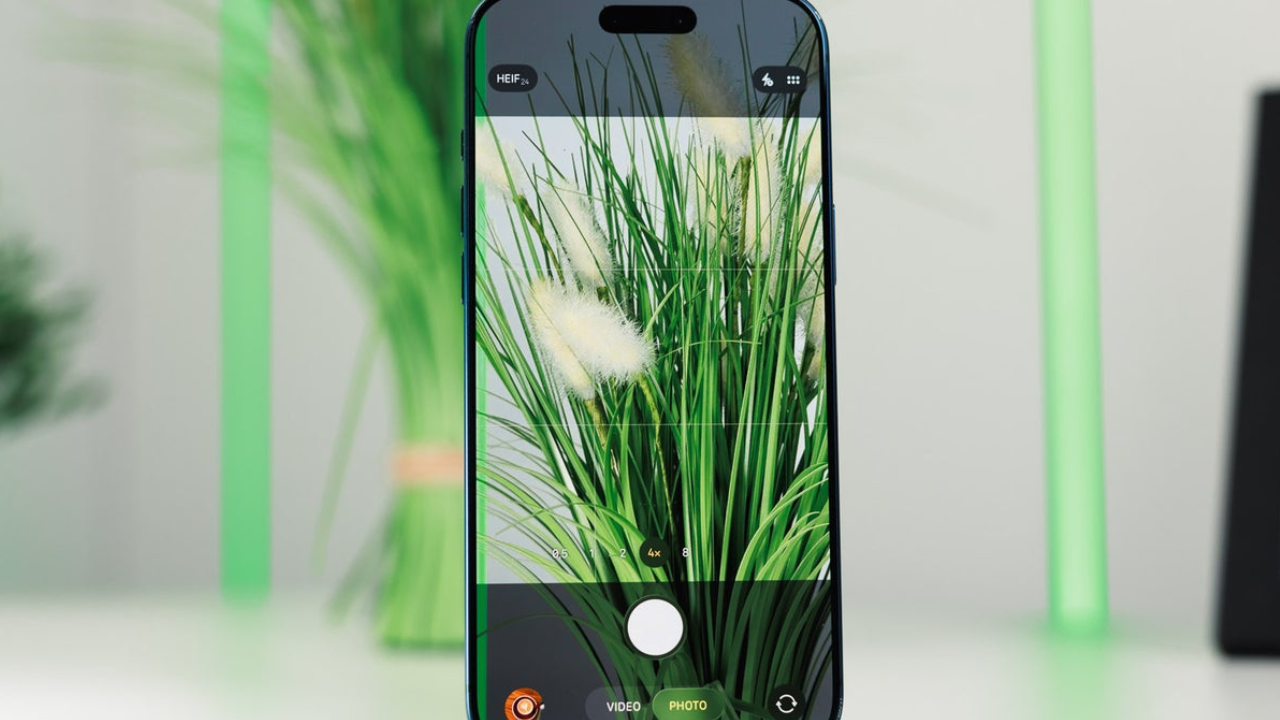
Apple’s iPhone 17 introduced a clever change to the front camera that makes selfies and videos easier to frame. Now, that idea may be heading to Android with the upcoming Honor Magic 9 Pro.
The phone is reportedly set to use a square 1:1 front camera sensor. If the leak is accurate, Honor could become the first Android phone maker to bring this type of sensor to a shipping smartphone. The company has already confirmed that the Magic 9 series is coming, but the detailed camera specifications are still based largely on leaks and reports.
The iPhone 17 camera idea explained
The feature that started this trend is Apple’s Center Stage front camera on the iPhone 17 series.
Instead of using a normal rectangular selfie sensor, Apple uses a square sensor. This gives the camera more image area to work with, allowing the phone to change the framing without requiring the user to turn the device.
For example, someone can hold the phone vertically and take a normal selfie. If more people join the picture, the camera can widen the view and adjust the framing. Users can also move between portrait and landscape framing without physically rotating the phone. Apple says the iPhone 17’s Center Stage system can automatically expand the field of view for group shots.
That is the part Honor is reportedly preparing to bring to Android.
Honor Magic 9 Pro may get a square selfie sensor
According to a recent report based on information from Chinese tipster Digital Chat Station, the Honor Magic 9 Pro will use a 1:1 square front camera sensor.
The exact sensor resolution has not been confirmed. That is important because the shape of the sensor and its megapixel count are separate things. The main point of the reported change is the square design, which gives the phone more room to crop and reframe the image.
If the report is correct, the Magic 9 Pro could offer a similar basic advantage to Apple’s Center Stage system. A person could hold the phone normally while the software adjusts the framing for different shooting situations.

The feature could be especially useful for selfies, group photos, video calls and people who record themselves while walking or moving around.
Why a square camera sensor is useful
A normal phone camera sensor is usually wider in one direction than the other. When the phone changes from portrait to landscape shooting, the camera has to use a different part of that sensor or change the crop.
A square sensor gives software a more balanced starting point.
This does not automatically make the photos better. Instead, it gives the camera system more flexibility in deciding which part of the sensor to use.
The main advantages could include:
- Easier switching between portrait and landscape framing.
- More room for group selfies without turning the phone sideways.
- More flexibility when recording yourself for videos.
- Extra image area that can be used for digital reframing and stabilization.
Apple uses this extra sensor area as part of Center Stage. Honor is reportedly taking a similar hardware approach for the Magic 9 Pro.
It could be a big deal for vloggers
The feature may be more useful for video creators than for ordinary selfies.
Imagine holding the Magic 9 Pro vertically while recording yourself. If another person walks into the shot, the camera could potentially widen the framing without requiring you to stop recording and rotate the phone.
The same idea can help when recording short videos for social media. A creator may want a tighter portrait view at one moment and a wider horizontal view at another. A square sensor provides more image data for the software to work with.

Apple also uses its Center Stage camera for video calls and ultra-stabilized video. The iPhone 17 can record from its front and rear cameras at the same time through Dual Capture, although that is a separate feature from the square sensor itself.
It is not yet clear whether Honor’s implementation will offer exactly the same functions.
Honor is going much further with the rear cameras
The square selfie camera is only one part of the reported Magic 9 Pro camera package.
Recent leaks point to a powerful triple-camera setup on the back, including two 200MP cameras. The reported setup includes a 200MP main camera, a 50MP ultra-wide camera and a 200MP periscope telephoto camera.
The leaked specifications are unusually ambitious for a phone that has not yet been fully launched.
| Camera | Reported Magic 9 Pro specification |
|---|---|
| Front camera | 1:1 square sensor |
| Main rear camera | 200MP |
| Main sensor size | Reportedly 1/1.28-inch |
| Main aperture | Reportedly f/1.57 |
| Ultra-wide | 50MP |
| Periscope telephoto | 200MP |
| Telephoto sensor size | Reportedly 1/1.4-inch |
| Telephoto aperture | Reportedly f/2.6 |
| Optical stabilization | Reported on the main camera |
These specifications are leaked information, not a final official specification sheet from Honor, so they should be treated as unconfirmed until the company announces the phone.
ARRI could give the camera system another advantage
Honor has also revealed that it is working with ARRI, a major name in professional film and camera equipment.
Honor previously showed the Magic 9 series during the launch of its Robot Phone and highlighted the company’s ARRI imaging partnership. The upcoming Magic 9 generation is expected to use technology from that partnership for its camera and video experience.
Reports indicate that the partnership could bring ARRI-related color processing, professional video tools and movie-focused features to the phone.

That could make the Magic 9 Pro interesting for people who care about video, rather than simply chasing a large megapixel number.
Still, the real test will be image quality. A 200MP camera does not automatically produce better pictures, and a square selfie sensor is useful mainly when the software makes good use of the extra image area.
The phone may use a new Snapdragon chip
The same recent leak also points to Qualcomm’s next-generation high-end Snapdragon platform, identified in reports as the Snapdragon 8 Elite Extreme Gen 6 with the model number SM8975.
A powerful processor would make sense for the camera features being reported.
Modern smartphone cameras depend heavily on software. Tasks such as combining multiple frames, reducing noise, stabilizing video, adjusting exposure and changing the camera crop all require significant processing.
However, the processor information is also part of the leak and should not be treated as a final confirmed specification until Honor announces it.
When will the Honor Magic 9 Pro launch?
Honor has officially confirmed that the Magic 9 series is coming in September, and the company has already started taking pre-reservations for the new lineup in China. Earlier reports had not confirmed the exact launch date.
More recent reporting says the launch is expected to take place in Beijing on September 28, 2026, although buyers outside China will need to wait for Honor to confirm international availability and timing.
| Detail | Current information |
|---|---|
| Phone | Honor Magic 9 Pro |
| Expected launch market | China first |
| Expected launch timing | September 2026 |
| Front camera | Reported 1:1 square sensor |
| Rear camera setup | Reported 200MP + 50MP + 200MP |
| ARRI partnership | Confirmed for the Magic 9 generation |
| Global launch | Not confirmed in the reports reviewed |
Honor may not be the only Android brand doing this
The square selfie sensor could become a wider Android trend.

Reports say OPPO is also testing a square front camera for a future Find series phone. Vivo has reportedly been working on similar technology for a device expected next year. That suggests smartphone makers are looking at the same basic solution rather than treating Apple’s design as a one-off experiment.
Honor could nevertheless be the first Android brand to bring the technology to a commercial phone if the Magic 9 Pro launches with the reported sensor.
That would make the feature more important than simply being an iPhone copy. It could become a useful new direction for front-facing smartphone cameras.
This is not just about copying Apple
It is easy to describe the Magic 9 Pro’s reported camera as an iPhone 17 copy, but the underlying idea is practical.
The front camera has traditionally been designed around a fixed rectangular view. That works well enough for a normal selfie, but it becomes less flexible when users want wider group shots, landscape video or better framing while moving.
A square sensor gives the software more room to work.
The interesting part will be how Honor uses that hardware. If the phone can automatically adjust framing smoothly and maintain good image quality while doing so, the feature could be genuinely useful.
If it simply provides a different crop without a noticeable improvement in everyday use, it may end up being more of a technical talking point than a major reason to buy the phone.
The bigger camera battle is getting interesting
The Magic 9 Pro is shaping up to be more than a phone with a new selfie camera. The reported dual-200MP rear setup, ARRI partnership and high-end processor suggest that Honor wants the phone to compete strongly in mobile photography and video.

At the same time, Apple has shown that camera improvements do not always need to mean bigger megapixel numbers. The iPhone 17’s Center Stage system focuses on how the camera can use its sensor area and software to make everyday shooting easier.
Honor’s reported square sensor follows the same broader idea: make the camera more flexible rather than simply making the numbers larger.
The bottom line
The Honor Magic 9 Pro could become the first Android smartphone to bring a 1:1 square selfie sensor to the market, giving Android users a camera concept that Apple introduced with the iPhone 17.
The main benefit is flexibility. Users could potentially switch between portrait and landscape framing without turning the phone, while the extra sensor area could help with group selfies, video recording and digital stabilization.
The Magic 9 Pro is also reportedly bringing two 200MP rear cameras and ARRI-related imaging technology, making its camera system one of the most ambitious expected from Honor. But several of the detailed specifications remain leaks and should be treated as unconfirmed until the official launch.
If Honor gets the software right, this could be one of those rare camera changes that looks small on paper but makes a real difference in everyday use.