
 Join WhatsApp
A farm is about much more than growing vegetables and looking after crops. Beyond the garden beds, there may be tall trees, patches of native grass, birds moving through the branches and quiet corners where nature carries on without much attention.
On a rural Australian property, these natural spaces can become an important part of everyday life. They offer a chance to slow down, notice the changing seasons and understand how farming fits into the wider landscape.
Whether it is a small vegetable garden beside the house or a large property surrounded by bushland, there is often something interesting to discover beyond the areas used for growing food.
Walking Beyond the Vegetable Garden
The vegetable garden is often one of the busiest places on a farm. There are plants to water, weeds to remove, vegetables to harvest and soil to prepare for the next crop.
But stepping away from the garden reveals a different side of the property. A grassy path might lead towards a row of old trees, a shaded fence line or a quiet patch of native vegetation.
These areas may not produce vegetables or crops, but they still have value. Trees can provide shade, help protect soil and offer shelter for birds and other animals. Ground cover can also help reduce soil erosion, particularly where rainwater moves across exposed land.
Taking a walk around the property is a simple way to notice these details. A fallen branch, a bird’s nest high in a tree or fresh tracks in soft soil can all reveal signs of wildlife nearby.
Native Trees and Bushland Around the Farm
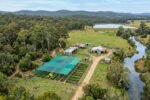
Many rural properties in Australia contain native trees and areas of bushland. The plants found there depend on the local climate, soil and rainfall.
Eucalyptus trees are common in many parts of the country, while other areas may have acacias, native grasses, shrubs and woodland plants.
These plants provide food and shelter for wildlife. Some birds feed on seeds, others search for insects in tree bark, and small animals may use thick vegetation as a safe place to hide.
Native vegetation can also help connect different habitats across the landscape. A line of trees along a fence or creek may provide a route for birds and other animals moving between larger patches of bushland.
For farmers, keeping suitable areas of vegetation can support local wildlife while adding natural shelter to the property. The best approach depends on the land and the needs of the farm.
Watching Birds and Other Wildlife
Wildlife is one of the most enjoyable parts of exploring the natural side of farm life. Birds may be heard before they are seen, especially in thick trees or early in the morning.
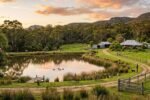
Depending on the region, a rural property might attract kookaburras, magpies, cockatoos, parrots and many smaller bird species. Kangaroos and wallabies may visit open areas, while possums and other nocturnal animals are more likely to be active after dark.
Wildlife sightings are never guaranteed. Weather, food availability, nearby habitat and human activity can all affect which animals appear.
The easiest way to observe wildlife is to remain quiet and give animals plenty of space. Binoculars can help with watching birds without approaching them, and a notebook can be useful for recording which species are seen throughout the year.
It is also important not to feed wild animals. Human food may be unsuitable for them and can change their natural behaviour.
The Importance of Water on a Rural Property
Water can shape the natural environment around a farm. Some properties have a creek or river, while others rely on farm dams and stored rainwater.
Where water is available, birds and other wildlife may gather to drink. Frogs and insects can also be found around suitable wet areas, particularly after rain.
A waterway may look very different throughout the year. After wet weather, a creek can flow strongly and nearby plants may become greener. During a dry period, water levels can fall and the surrounding ground may become hard and dusty.
These changes are part of life in much of rural Australia. They also remind farmers to manage water carefully for crops, livestock and the surrounding environment.
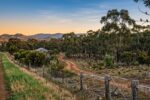
Where practical, protecting creek banks and keeping livestock away from sensitive sections can help reduce damage to vegetation and soil. Any work near waterways should take local rules and environmental needs into account.
How the Seasons Change the Landscape
One of the most noticeable things about rural life is how much the land can change with the seasons.
After good rainfall, grass may grow quickly, new leaves appear and the garden can become full of life. Wildflowers may bloom in suitable areas, while insects and birds become more noticeable.
During hotter, drier months, some plants lose their leaves or slow their growth. Grass can become brown, dams may fall, and shade becomes more important for livestock and wildlife.
These changes also affect the vegetable garden. Some crops grow best during cooler weather, while others need warmer conditions and longer days.
Watching the natural areas around the farm can help people understand these seasonal patterns. It also encourages a closer look at the relationship between rainfall, plant growth, soil conditions and the needs of the animals living nearby.
Making Space for Nature on a Working Farm
Farms need to remain productive, but natural areas can still have a place alongside growing crops and raising livestock.
A small patch of native plants, a maintained tree line or an area protected from heavy grazing can provide shelter for wildlife. These spaces may also support insects that play useful roles in the local environment.
Farmers can begin with simple steps, such as protecting young trees from livestock, controlling weeds carefully and avoiding unnecessary disturbance to waterways.
Leaving some suitable ground cover in place can help protect soil, while planting species suited to the local area may improve habitat over time.
Not every farm has the same opportunities. Soil type, water availability, fire risk and farming needs all influence what can be done. Even small improvements, however, can help maintain the natural features that make each property different.
Finding Enjoyment in the Quiet Corners
The natural side of farm life does not always require a major project or a long walk. Sometimes it is simply sitting under a tree after finishing the day’s work, listening to birds or watching clouds move across an open paddock.
These moments can offer a welcome break from the regular jobs of farming. They also provide opportunities to notice details that might otherwise be missed, such as new flowers, changes in bird calls or the first signs of rain.
For families, exploring the property together can help children learn about plants, insects, soil and wildlife. A short walk can become a chance to discover something new without travelling far from home.
It is still important to respect fences, farm machinery, livestock and areas where wildlife may be nesting. Natural exploration should always be done safely and without disturbing animals or damaging plants.
Discovering More Than a Farm Garden
Vegetable beds may be where much of the daily work begins, but they are only one part of the rural landscape. Trees, waterways, grasslands and wildlife all contribute to the character of a farm.
These natural spaces can provide shade, shelter and habitat while offering a closer connection to the land. They also change with rainfall and the seasons, making even a familiar walk feel different at various times of the year.
Taking time to explore beyond the garden can reveal a quieter and often overlooked part of farm life. Sometimes, the most rewarding discoveries are not found in the harvest basket but in the simple details of the natural world surrounding the property.