
 Join WhatsApp
The Diverse Ecosystems of a Rural Australian Property
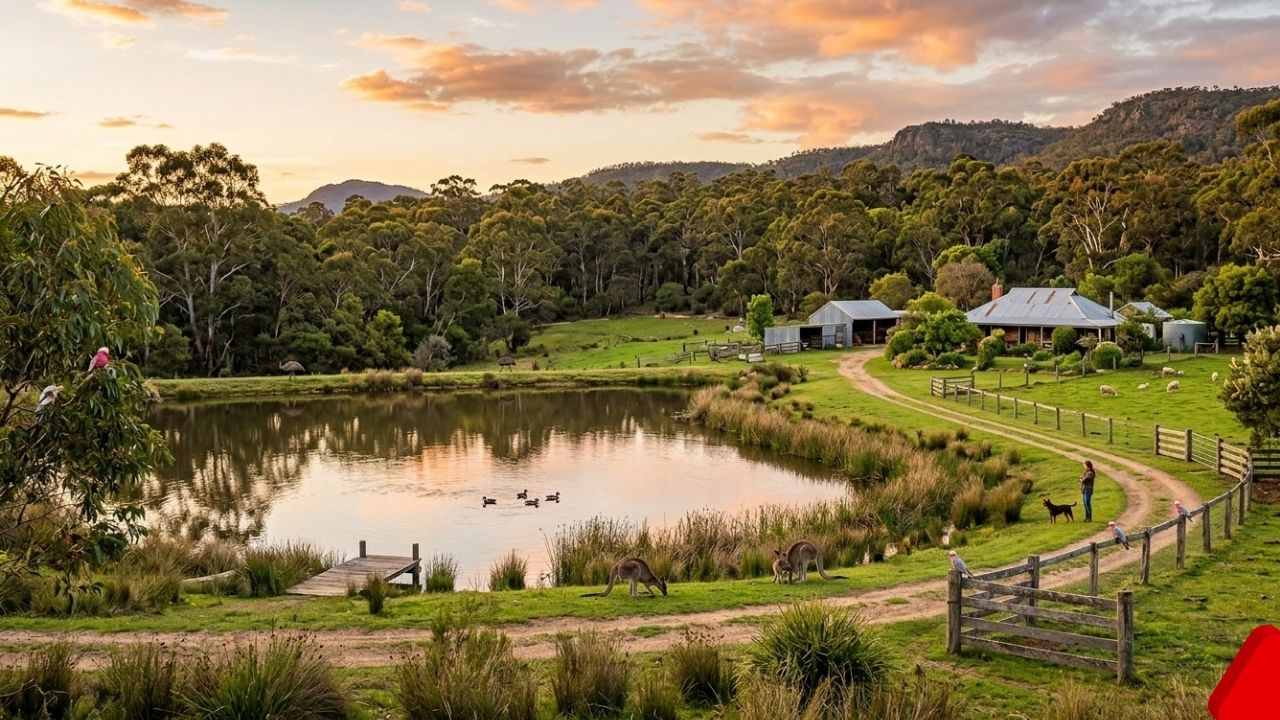
A rural Australian farm is much more than just flat paddocks, grazing livestock, and lines of wire fencing. On many properties, the land that surrounds the working farm fields is a thriving, busy world where native forests, clean waterways, and unique animals live together. These natural spaces form a protective shield around the farm, keeping the soil healthy and providing a safe home for nature.
When you step past the active farming zones, the managed dirt gives way to wild ecosystems. This mix of open farm country and wild bushland creates a special landscape where human agriculture and ancient nature exist side side.
The Sheltering Eucalyptus and Acacia Forests
The forests that border rural farms are usually filled with native trees that have adapted perfectly to the tough Australian climate. Eucalyptus and acacia trees dominate these wooded areas, creating a unique type of forest called a woodland or open forest. The canopy is spread out enough to let the bright sunlight filter all the way down to the ground.
On the forest floor, a thick layer of dry bark, fallen logs, and crunchy leaves builds up over time. This layer is very important because it holds moisture in the ground and breaks down slowly to feed the soil. These patches of trees act as safe travel paths, or wildlife corridors, allowing animals to move safely from one part of the countryside to another without crossing wide, open paddocks.
- Listen for the loud, laughing calls of kookaburras hiding high up in the gum trees.
- Watch for flashes of bright color from flocks of white cockatoos or galahs flying between branches.
- Smell the strong, sweet scent of eucalyptus oil warming up in the afternoon sun.
- Look for small marsupials and reptiles hiding under the piles of loose bark and hollow logs.
Natural Creeks, Billabongs, and Hidden Waterholes
Water is incredibly precious in rural areas, and the natural water systems surrounding a farm are vital for keeping the entire environment alive. Unlike man-made dams that are dug out by tractors, natural creeks and seasonal waterholes bend and curve through the landscape naturally.
Thick clumps of native reeds and tea trees grow along the banks of these waterways. The plants do a heavy amount of work by holding the soil together with their roots, which stops the banks from washing away during heavy winter rains. These quiet, shaded water zones are much cooler than the open sunlit fields, making them a popular meeting place for animals during the heat of the day.
| Water Type | What You Can Find There | Why It Helps the Farm |
|---|---|---|
| Winding Creeks | Clear running water, smooth river stones, and small native fish. | Purifies the water naturally and keeps the water table healthy. |
| Shaded Waterholes | Deep pools of cool water bordered by thick ferns and moss. | Provides an emergency drinking spot for wildlife during dry seasons. |
| Local Wetlands | Low, soggy ground filled with thick water grasses and mud. | Traps dirt and filters out pollution before it reaches bigger rivers. |
The Native Wildlife Sharing the Land
The wild bushland and forest patches around the farm support an incredible variety of native animals that you will rarely see out in the open pastures. Because Australia has so many creatures found nowhere else on earth, these farm boundaries are essential for keeping these species safe.
During the quiet hours of early morning and late evening, the edges of the forest come alive with activity. Eastern grey kangaroos and smaller wallabies step out of the shadows of the trees to graze on the soft green grass near the fences. Up above in the branches, koalas move slowly from tree to tree, feeding only on specific types of eucalyptus leaves that grow in the area.
Down on the ground and near the water, the wildlife is just as busy. If the farm has a quiet, undisturbed freshwater creek, a platypus might make its home in a burrow dug deep into the muddy bank. Meanwhile, helpful insects like native bees fly back and forth between the wild bush flowers and the farm crops, helping to pollinate the plants so they can grow.
How Nature and Farming Work Together
A healthy farm needs a healthy natural environment around it to survive over the long term. The trees in the surrounding forest shield the farm’s crops and livestock from freezing winter winds and scorching summer heat waves. At the same time, the roots of the native bush plants absorb extra rainwater, which keeps the soil from getting too soggy or washing away into mud.
Many rural landholders work hard to protect these wild spaces by fencing off creeks from heavy cattle and planting new native trees to link up separate patches of bush. By looking after the forest, water, and wildlife, farmers ensure that their land stays strong, fertile, and beautiful for the next generation to enjoy.