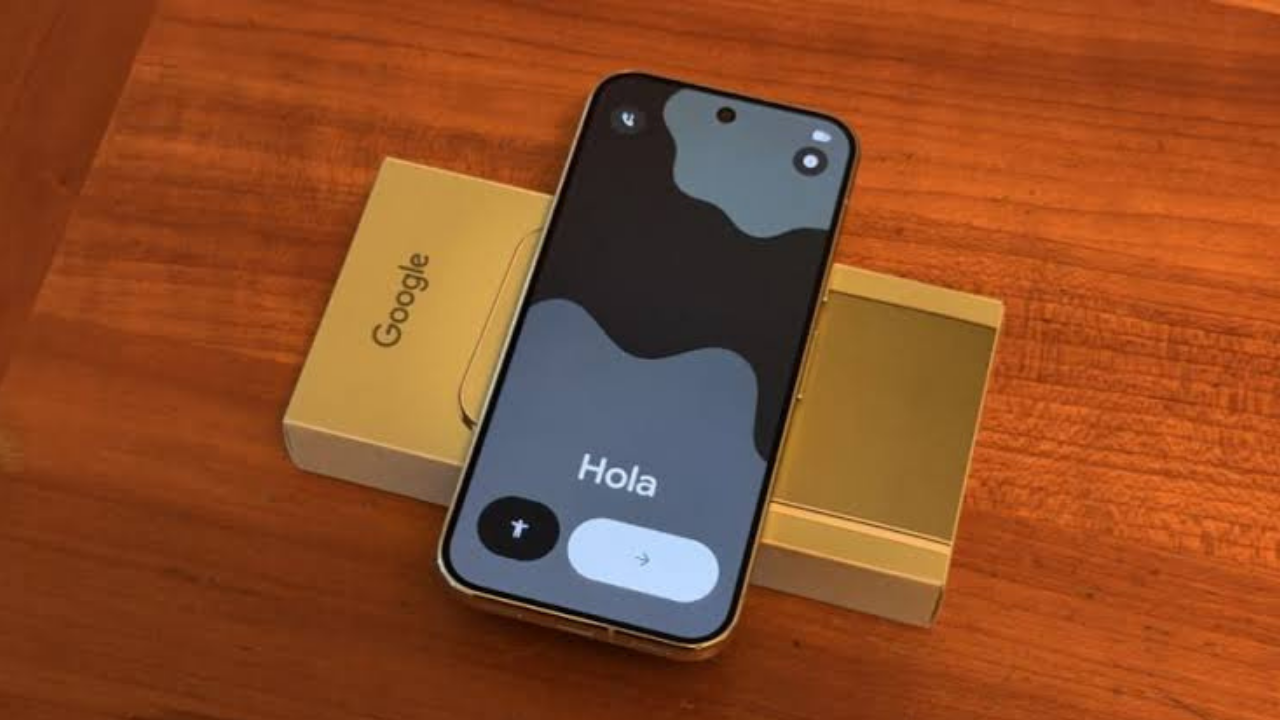
Google’s latest Pro smartphone is now in the hands of reviewers, and the first impressions of the Pixel 11 Pro are starting to appear. The phone brings Google’s new Tensor G6 chip, updated cameras, Android 17, and a new HiLight feature on the back.
The Pixel 11 Pro launched on August 12, 2026, and is now available for a closer look after the initial hands-on period. Early testing suggests that Google is focusing heavily on camera quality, artificial intelligence features, and the overall Pixel software experience rather than making major changes to the phone’s basic design.
The Pixel 11 Pro is now being tested in the real world
The first hands-on sessions gave reviewers only limited time with the phone. That is now changing as longer review testing begins.
Early reviews have already looked at the Pixel 11 Pro’s cameras, Tensor G6 performance, software features, battery life, and new AI tools. One week of testing has also given reviewers more time to see how the phone performs during normal daily use rather than only during a short demonstration.
This matters because some of Google’s biggest Pixel 11 changes are software-based. Features that look impressive during a short product demonstration need to prove that they are actually useful after several days of regular use.

Tensor G6 is one of the biggest changes
The Pixel 11 Pro uses Google’s Tensor G6 processor. It is paired with 12GB of RAM in the base configuration, while higher-storage versions can offer 16GB of RAM. The phone runs Android 17.
Google’s approach with Tensor has generally focused on AI and everyday phone features rather than simply trying to win benchmark tests. Early testing of the Pixel 11 Pro has therefore paid particular attention to how the new chip handles Google’s AI features and camera processing.
The first impressions are generally positive about the overall experience, although early reviewers have also pointed out that the biggest improvements are not necessarily visible in the phone’s basic hardware.
The cameras remain a major reason to consider the Pro model
Camera performance is expected to be one of the most important parts of the full Pixel 11 Pro review. The phone has a triple rear-camera system, including a 50-megapixel main camera and 48-megapixel cameras, along with a 42-megapixel front camera with autofocus.
Google has also added new camera-related software features to the Pixel 11 generation. Reviewers are testing how these tools work outside controlled demonstrations and whether they offer a meaningful improvement over previous Pixel phones.

The Pixel 11 Pro’s camera system is therefore likely to receive much more attention in the final reviews than small changes to the phone’s physical design.
HiLight is the most visible new feature
One of the easiest Pixel 11 Pro changes to spot is HiLight, a multicolored light built into the rear of the phone.
Google presents HiLight as a new way for the phone to communicate with the user. It can be linked to favorite contacts and can light up in different colors when those people call. It can also provide a visual indication when Gemini is listening or responding while the phone is face-down.
However, early long-term impressions have been mixed. Some reviewers like the idea but feel that HiLight does not yet do enough to justify the attention Google has given it. That makes it one of the features to watch as more detailed reviews arrive.
Pixel 11 Pro key specifications
| Feature | Google Pixel 11 Pro |
|---|---|
| Launch date | August 12, 2026 |
| Display | 6.30-inch, 120Hz |
| Processor | Google Tensor G6 |
| RAM | 12GB |
| Storage | 256GB, 512GB |
| Rear cameras | Triple camera system |
| Main rear camera | 50MP |
| Front camera | 42MP with autofocus |
| Battery | 4,850mAh |
| Operating system | Android 17 |
| Water and dust resistance | IP68 |
| Weight | 204 grams |
| India starting price | Rs. 1,19,999 |
The listed India starting price for the Pixel 11 Pro is Rs. 1,19,999, with 256GB and 512GB storage options.

The software may be more important than the hardware
Google is putting a lot of attention on what it calls Gemini Intelligence and other AI-based features. The company is trying to make the phone more helpful in everyday situations rather than simply adding more traditional hardware specifications.
Reviewers have already spent time with features such as Proactive Assistance, Magic Capture, Camera Looks, and other new Pixel software tools. Early feedback suggests that the Pixel 11 Pro’s basic Pixel experience remains one of its strongest points, while some of the newer features still need to prove their value.
That could become an important part of the final verdict. A phone can have excellent cameras and a fast processor, but Google’s biggest selling point for the Pixel 11 Pro is increasingly the way its hardware and software work together.
What reviewers will be watching next
The first impressions give us an early idea of what the Pixel 11 Pro is like, but a full review needs more time. Longer testing can reveal things that are difficult to judge during a short hands-on session.
The main areas likely to decide the final verdict are:

- Real-world battery life during heavy and light use.
- Camera quality in daylight, low light, portraits, and zoom shots.
- Tensor G6 performance during gaming and demanding tasks.
- Whether the new AI features are genuinely useful after regular use.
These tests are particularly important because the Pixel 11 Pro is an expensive flagship phone. Buyers need to know not just what is new, but whether those changes make a noticeable difference compared with older Pixel models.
The Pixel 11 Pro looks like an evolution, not a complete redesign
The early picture is fairly clear. Google has not tried to completely reinvent the Pixel 11 Pro. Instead, it has kept the familiar Pixel approach and added a newer processor, updated camera hardware and software, more AI features.
That strategy could work well if the new features prove useful in everyday life. It could also make the Pixel 11 Pro a less exciting upgrade for people who already own a recent Pro Pixel.
The good news for buyers is that longer reviews are now available, giving reviewers enough time to test the phone beyond Google’s launch demonstrations. Early impressions already point to a strong overall Pixel experience, but the full picture will depend on how the cameras, battery, Tensor G6 chip, and new AI features perform over extended use.
For now, the Pixel 11 Pro looks like a polished flagship built around Google’s familiar strengths. The question the upcoming reviews will answer is whether those improvements are enough to make it a meaningful upgrade, or whether Google’s latest Pro phone is simply a better version of an already familiar Pixel formula.