
 Join WhatsApp
The Google Pixel 11 Pro XL is already getting attention for its bright display, new Tensor G6 chip and upgraded cameras. But one of the more interesting questions is much simpler: how well does the phone handle physical stress?
A recent durability test puts the Pixel 11 Pro XL through scratches, heat and bending. The results suggest that Google’s large flagship has a strong overall build, although a bend test should never be treated as proof that a phone is impossible to break.
The Pixel 11 Pro XL has a premium build
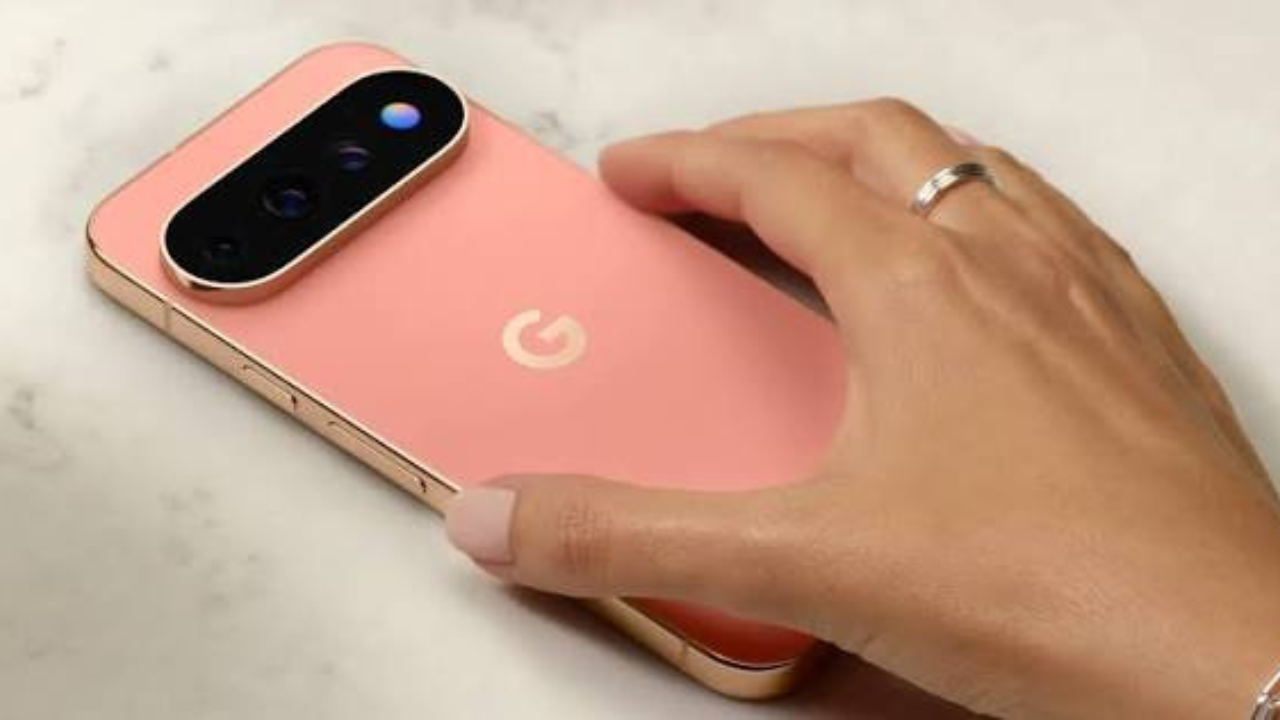
Google has kept the basic Pixel Pro design language while refining the hardware for the new generation. The Pixel 11 Pro XL has a 6.8-inch display, an aluminum frame and a redesigned camera bar. Google also says the new design improves scratch resistance.
The phone carries an IP68 rating for dust and water resistance. That gives it protection against dust and fresh-water exposure under the conditions covered by the rating, but it does not mean the phone should deliberately be submerged or exposed to harsh liquids.
The large size also gives the phone a solid feel in the hand. That is important for a device that starts at around $1,299 and is designed as one of Google’s top smartphones.
What the bend test actually showed
The bend test is designed to put unusual force on a smartphone. It is not a normal-use test. The goal is to see how the frame, display and other parts respond when the phone is pushed far beyond what it would normally experience.
In the Pixel 11 Pro XL’s case, the test points to a strong structure that can take significant pressure without immediately failing.

That is good news for everyday users. A strong frame can reduce the chance of serious damage when a phone is accidentally squeezed in a pocket, placed under pressure in a bag or subjected to a minor drop.
But there is an important difference between surviving a controlled bend test and surviving an accident. Real-world drops can hit corners, camera lenses or the display in ways that a bend test does not reproduce.
The regular Pixel 11 Pro is built on the same idea
The Pixel 11 Pro XL is the larger version of Google’s Pixel 11 Pro. The two phones share the same overall design approach and flagship hardware family, while the XL model has the larger 6.8-inch screen.
Google has also focused on improving durability across the Pro models. The company describes the new generation as having a refined, durable design with improved scratch resistance.
That means the bend-test result fits with the broader direction of the Pixel 11 Pro series. Google is not simply adding new cameras and a faster processor. It is also trying to make the physical hardware more capable of handling daily use.
The display is one of the most important parts to protect
The Pixel 11 Pro XL’s 6.8-inch OLED display is one of its biggest attractions. It is also one of the most expensive parts of the phone to damage.
The screen supports a 120Hz refresh rate and is designed to reach very high brightness levels. Reviews have found the display to be one of the strongest parts of the device, with testing recording exceptionally high brightness.

A durable phone does not mean the screen is immune to scratches or cracks. A hard impact on a corner can still damage even a well-built flagship.
For that reason, a screen protector and a good case remain sensible choices, especially for anyone planning to keep the phone for several years.
Scratch resistance is also part of the story
Durability is not just about bending.
A phone can have a strong frame and still collect scratches from keys, coins, sand or rough surfaces. The Pixel 11 Pro XL’s updated design includes stronger scratch resistance, according to Google.
That is useful because cosmetic damage can become noticeable after months of everyday use.
However, stronger scratch resistance does not mean scratch-proof glass. Users should still avoid keeping the phone in the same pocket as keys or other hard objects.
The camera bar remains a major design feature
The rear camera bar is one of the most recognizable parts of the Pixel 11 Pro XL.

Google has made the camera bar thinner on the new generation while keeping the horizontal design. It houses the phone’s rear camera system and gives the device a distinctive appearance.
The camera area also needs protection because its raised shape can make it one of the first parts to contact a surface when the phone is placed down.
A case with a raised edge around the camera area can therefore provide useful extra protection.
Strong build does not mean you should test it yourself
This is perhaps the most important lesson from any phone durability test.
A controlled bend test intentionally puts extreme force on a device. Trying to repeat the test yourself can permanently damage the phone and could create a safety risk if the battery or internal components are damaged.
The useful takeaway is not that the Pixel 11 Pro XL can be bent without consequences. It is that the phone appears capable of handling substantial structural stress before serious failure.
For normal owners, everyday protection is still much more important.

Pixel 11 Pro XL key hardware
The phone is more than a durable flagship. It also brings several major hardware and software upgrades.
| Feature | Pixel 11 Pro XL |
|---|---|
| Display | 6.8-inch OLED |
| Refresh rate | Up to 120Hz |
| Processor | Google Tensor G6 |
| RAM | 12GB or 16GB, depending on configuration |
| Battery | 5,115mAh |
| Wired charging | Up to 45W |
| Water and dust resistance | IP68 |
| Software | Android 17 |
| Software support | Seven years |
The Pixel 11 Pro XL also brings upgraded cameras and Google’s latest AI features. Reviews have praised its photography and software experience, although its graphics performance remains behind some competing flagship phones.
What the bend test means for buyers
For someone considering the Pixel 11 Pro XL, the durability result is reassuring.
- The phone has a premium metal-and-glass construction
- Google has improved scratch resistance compared with earlier designs
- The device carries IP68 dust and water resistance
- The strong frame adds confidence for normal everyday use
Still, durability should be considered one part of the buying decision rather than the main reason to purchase the phone.
The Pixel 11 Pro XL costs flagship money, so buyers should also consider its camera quality, battery life, performance, display, software support and charging speed.
The bigger question is long-term durability
A bend test only captures one moment. A phone that survives a few minutes of extreme testing still has to deal with years of everyday use.
Over time, batteries naturally lose capacity. Ports can collect dust, screens can develop scratches and repeated drops can weaken components even when the damage is not immediately visible.

This is where Google’s seven-year software support becomes important. The Pixel 11 Pro XL is designed to remain supported for a long time, giving owners a reason to keep the device rather than replace it quickly.
A strong physical design combined with long software support can make a flagship more practical for people who prefer to keep their phones for several years.
Final verdict
The Pixel 11 Pro XL’s bend-test performance is a welcome result for anyone considering Google’s latest large flagship. The phone appears to have a strong physical structure, while Google’s improvements to scratch resistance and its IP68 rating add further protection for everyday use.
But the test should not be misunderstood. No smartphone is unbreakable, and extreme durability tests are very different from normal accidents.
The real strength of the Pixel 11 Pro XL is the combination of a premium build, bright 6.8-inch display, Tensor G6 processor, improved cameras, large battery and long software support.
So, does the bend test prove that the Pixel 11 Pro XL is tough? Not completely. It does, however, provide a reassuring sign that Google’s latest XL flagship is built to handle more than its polished exterior might suggest.