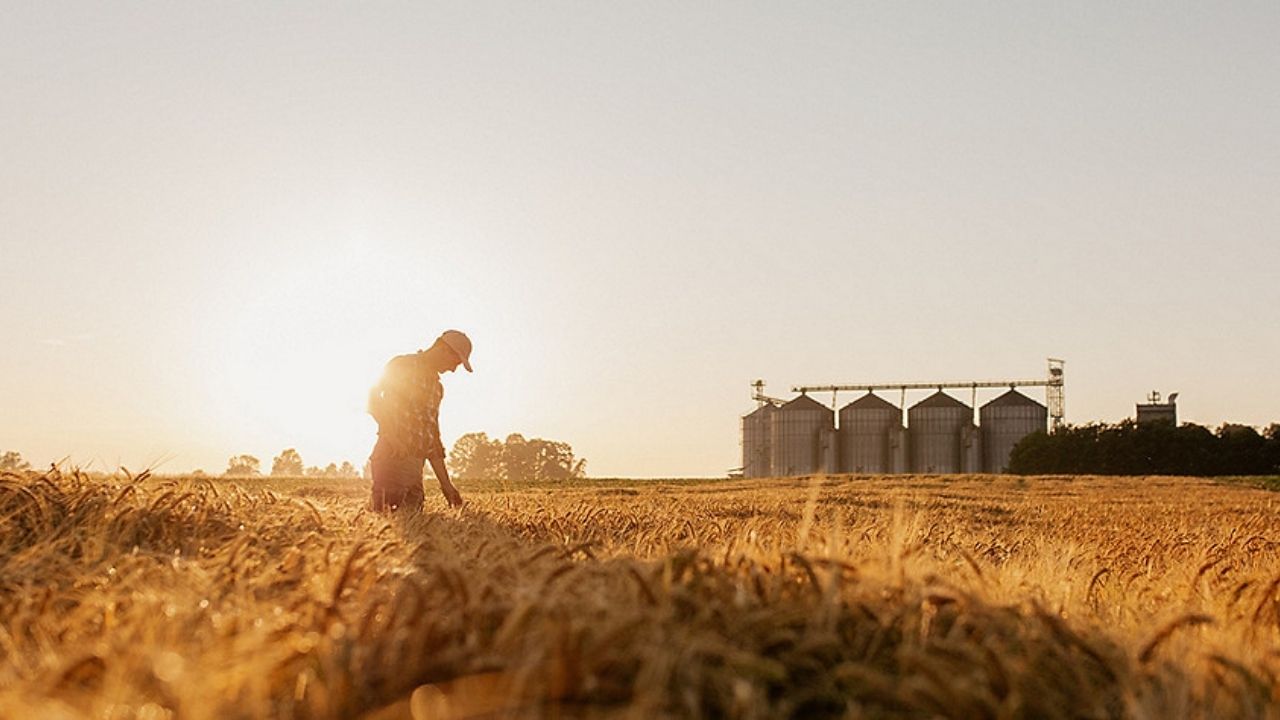
A sudden surge in global wheat prices following severe weather in major international growing hubs is threatening to ripple through global supply chains. As overseas grain stockpiles tighten due to droughts and unpredictable harvests in Europe and the Americas, international commodity markets are experiencing rapid price spikes. While Australia remains a major global exporter of grain, local consumers are unlikely to be completely shielded from the inflationary pressures washing over worldwide food networks.
Why international grain markets are tightening
The recent upward movement in global wheat values is driven primarily by consecutive poor harvests in several of the world’s most critical agricultural export nations. Severe dry spells and unseasonal heatwaves across parts of the northern hemisphere have slashed total yield expectations, forcing international buyers to compete fiercely for remaining supplies.

A clear look at how international grain availability and environmental factors are shifting helps explain the current market pressures:
| Major Global Export Region | Current Environmental Impact | Effect on Global Grain Markets |
|---|---|---|
| Eastern Europe | Prolonged regional drought conditions | Sharp drops in exportable grain volumes |
| North America | Unpredictable spring weather patterns | Lower top-tier milling wheat yields |
| Western Europe | Excessive late-season rainfall | Reduced grain quality and harvest delays |
Because wheat is a globally traded commodity, a shortage anywhere in the world automatically drives up the benchmark price for buyers everywhere. This means the cost of securing raw grain has risen significantly on the international stage over a very short period.
The direct impact on Australian supermarket shelves
Even though Australia grows far more wheat than its domestic population can consume, local food manufacturers still operate within a globalized economy. Australian flour millers and food production companies must buy their raw ingredients at prices that reflect these global benchmarks, meaning their raw input costs are climbing.
- Higher production costs for staple grocery items like sandwich bread, pasta, and crackers.
- Rising prices for breakfast cereals and pre-made baking mixes.
- Increased overheads for local bakeries relying heavily on specialty flour blends.
- Potential price adjustments for packaged biscuits and snack foods.
As these manufacturing expenses mount, retail experts warn that food processors will likely pass a portion of the extra costs down the line, resulting in higher checkout prices for everyday Australian shoppers.
Rising pressure on meat and dairy production
The effects of the global wheat squeeze extend far beyond the bakery aisle, as grain serves as a primary feed source for several major livestock sectors. Beef cattle lots, poultry farms, and dairy operations all rely heavily on grain pellets to feed their animals, especially when regional pastures dry out during seasonal transitions.
When the base price of feed grain climbs, the cost of raising livestock increases almost immediately. This can create a secondary wave of price hikes in the supermarket fridge, impacting the retail cost of fresh chicken, eggs, beef, and dairy products like milk and cheese. Farmers facing higher feed bills must choose between absorbing the financial losses or lifting their wholesale prices, which ultimately influences what shoppers pay at the counter.
How local farmers navigate the global export boom
For Australian grain growers, the overseas price surge presents a highly complex financial scenario. On one hand, farmers with healthy crops can command much higher prices for their grain on the international market, boosting regional export revenue and helping rural economies.
On the other hand, local growers are simultaneously battling high domestic production costs, including expensive fertilizers, machinery parts, and fuel. To track official national agricultural export data, commodity forecasting, and seasonal crop reports, residents can monitor the regular updates published by the Australian Department of Agriculture, Fisheries and Forestry.