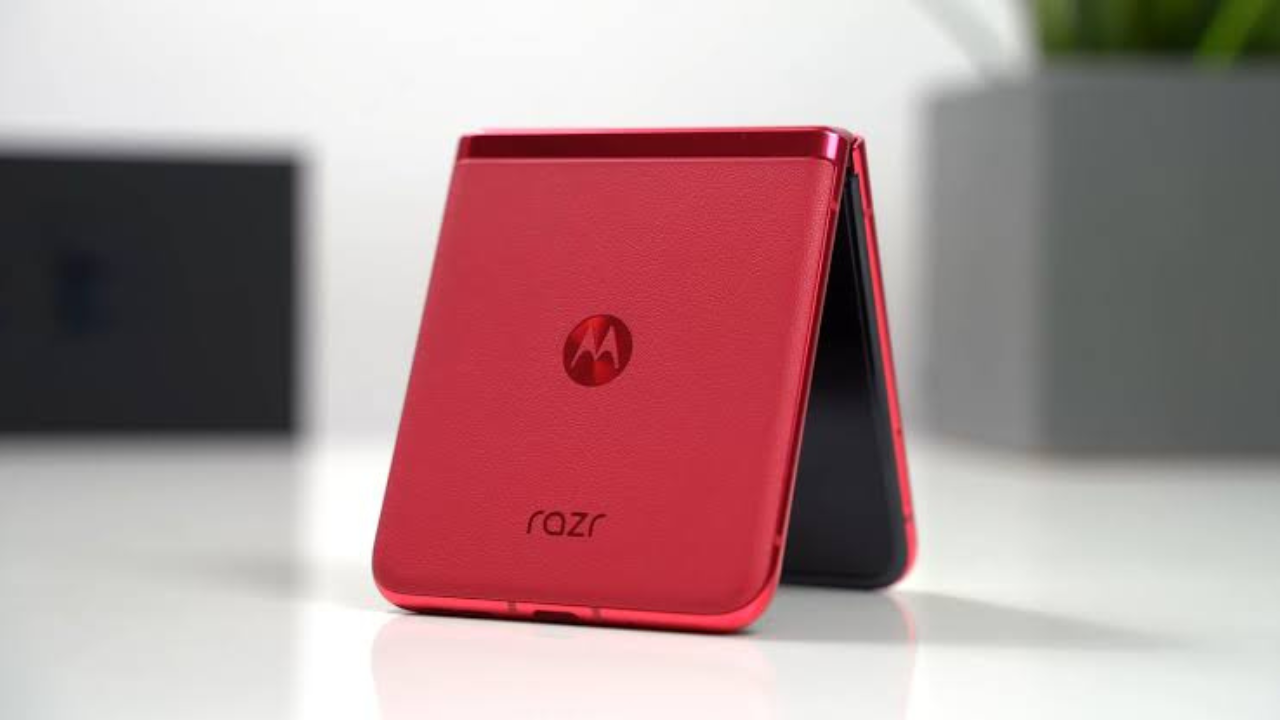
Motorola is preparing for a major change in its smartphone software strategy. The company is working with GrapheneOS, the privacy-focused version of Android, to bring official support to selected Motorola phones starting in 2027.
The biggest surprise is the planned seven-year support requirement. But there is an important detail: the Motorola phones getting official GrapheneOS support have not launched yet, so buyers cannot install an official Motorola GrapheneOS build today.
Motorola and GrapheneOS are joining forces
GrapheneOS has mainly been associated with Google’s Pixel phones. The project recommends devices with strong hardware security, long-term software support, and the ability to run an alternative operating system while keeping important security features working.
That is now beginning to change. Motorola and the GrapheneOS team are working together on future Motorola hardware, with the first supported phones expected in 2027. The initial focus will be on high-end, regular smartphones rather than cheaper models.
This is important because GrapheneOS support is not simply about making an Android operating system run on another phone. The project has strict hardware and software requirements, and Motorola is expected to help with the work needed to make its devices suitable for official support.
Seven years of support is the big story
The seven-year figure comes with an important condition. GrapheneOS says devices need a long-term update commitment to qualify for its support plans. Motorola’s new Signature series has a seven-year update commitment, and GrapheneOS has said longer support will also be needed before it can move further down Motorola’s product range.
That would put these future Motorola phones in a very different position from many current Motorola models.

For example, Motorola’s support information for individual devices varies by model. One Motorola device listed by the company has security updates scheduled through January 2030, while another launched in 2025 is listed through June 2028. This shows why the exact model and its official support promise matter when comparing phones.
The planned GrapheneOS phones are therefore notable not just because of privacy software, but because of the longer support commitment behind the hardware.
| Feature | Planned Motorola GrapheneOS phones |
|---|---|
| Official GrapheneOS support | Planned |
| Expected first devices | 2027 |
| Initial device type | High-end, regular smartphones |
| Software | GrapheneOS based on Android |
| Planned support requirement | 7 years |
| Foldable support | Planned for future Motorola Razr models |
| Current availability | Not yet available |
Which Motorola phones will get GrapheneOS?
The first supported Motorola phones are expected to be high-end flagship models. GrapheneOS has said its initial focus will be on a standard, non-folding flagship. Support for Motorola’s Razr foldables is also planned later.
The project has specifically discussed future Razr models as part of its plans. That means GrapheneOS support could eventually reach Motorola’s foldable phones as well, although buyers should not assume that every existing Razr model will receive official support.
The first phones are also expected to cost more than Google’s Pixel phones. GrapheneOS says its initial Motorola devices will use high-end hardware, which is one reason the first models are not expected to be budget phones.
Why GrapheneOS support is different
GrapheneOS is designed with privacy and security as major goals. It is based on the Android Open Source Project but adds its own security and privacy features.
One important point is that GrapheneOS does not simply try to make unsupported hardware safer through software changes. Its developers set hardware requirements because some security features depend on the phone’s processor, firmware, drivers, and other low-level components.

GrapheneOS currently recommends Pixel devices that meet its requirements. For newer Pixel models, the project highlights features such as hardware memory tagging and long-term support. It also requires suitable support for monthly Android security updates and other low-level software components.
Motorola’s cooperation could make it easier for the GrapheneOS team to meet these requirements on future phones.
Why the Snapdragon chip matters
The choice of processor is another key part of the story. GrapheneOS has pointed to upcoming high-end Snapdragon hardware as an important reason future Motorola phones may meet its security requirements.
The project has said newer Snapdragon chips are expected to provide improvements needed for features such as memory tagging and secure hardware components. Cheaper Qualcomm chips do not currently provide the same combination of security features and long-term support needed for GrapheneOS’s standards.
This helps explain why the first Motorola GrapheneOS phones are expected to be expensive flagship devices instead of inexpensive Moto G models.
It also means broader support will depend on what Motorola and Qualcomm can offer on less expensive hardware in the future.
What users can expect from the Motorola partnership
The partnership could make GrapheneOS support more practical because Motorola is involved in preparing its hardware for the project.

GrapheneOS has also said it wants to be ready alongside major Android releases rather than waiting a long time after a new Android version arrives. The project plans to host and maintain its own Android Open Source Project repositories as part of this effort.
For users, that could mean a more complete alternative to Motorola’s normal Android software.
The expected benefits include:
- A privacy-focused Android experience with GrapheneOS’s security features.
- Long-term software support backed by a seven-year commitment on qualifying hardware.
- Motorola hardware designed and supported with GrapheneOS requirements in mind.
- A possible future path to GrapheneOS on Motorola Razr foldables.
This does not mean current Motorola phones suddenly get GrapheneOS
This is perhaps the most important point for people thinking about buying a Motorola phone today.
The announcement does not mean that existing Motorola phones are now officially supported by GrapheneOS. The first official Motorola devices are expected to arrive in 2027.
It also does not mean that every Motorola phone released from now on will qualify. GrapheneOS has strict requirements, and cheaper devices may not meet them.
The project continues to officially recommend supported Pixel models today. Its device requirements include long-term updates, suitable hardware security, support for alternative operating systems, and timely Android security updates.
So anyone buying a Motorola phone specifically for GrapheneOS should wait for the official supported-device list rather than assuming that a particular model will qualify.
Why this could be a big deal for Android users
Google’s Pixel phones have effectively been the main hardware choice for people who want official GrapheneOS support. Motorola’s entry gives users another option and could make privacy-focused Android more available across different types of hardware.
The partnership is also notable for Motorola itself. The company has traditionally offered different levels of software support across its product range, while the new flagship strategy is moving toward much longer support periods. Current Motorola models still vary widely in their update commitments.
A seven-year commitment would make a future Motorola GrapheneOS phone much easier to consider as a long-term device.
It could also reduce the need to replace a phone simply because software support has ended. That matters for users who care about security, privacy, and keeping a device for many years.
The bottom line
Motorola’s planned GrapheneOS phones are not available yet, but the partnership is shaping up to be one of the more interesting Android developments for 2027.
The first devices are expected to be expensive flagship phones, with official GrapheneOS support and a seven-year software support requirement. Future support is expected to expand to Motorola’s Razr foldables, while cheaper phones may take longer because of hardware security and update requirements.

For now, the key takeaway is simple: do not buy a current Motorola phone expecting official GrapheneOS support. The real change is coming with future hardware designed to meet GrapheneOS’s requirements.
If Motorola delivers on the plan, users could soon have something that has been difficult to find in the Android market: a high-end phone with strong hardware security, a privacy-focused operating system, and software support designed to last for seven years.