
 Join WhatsApp
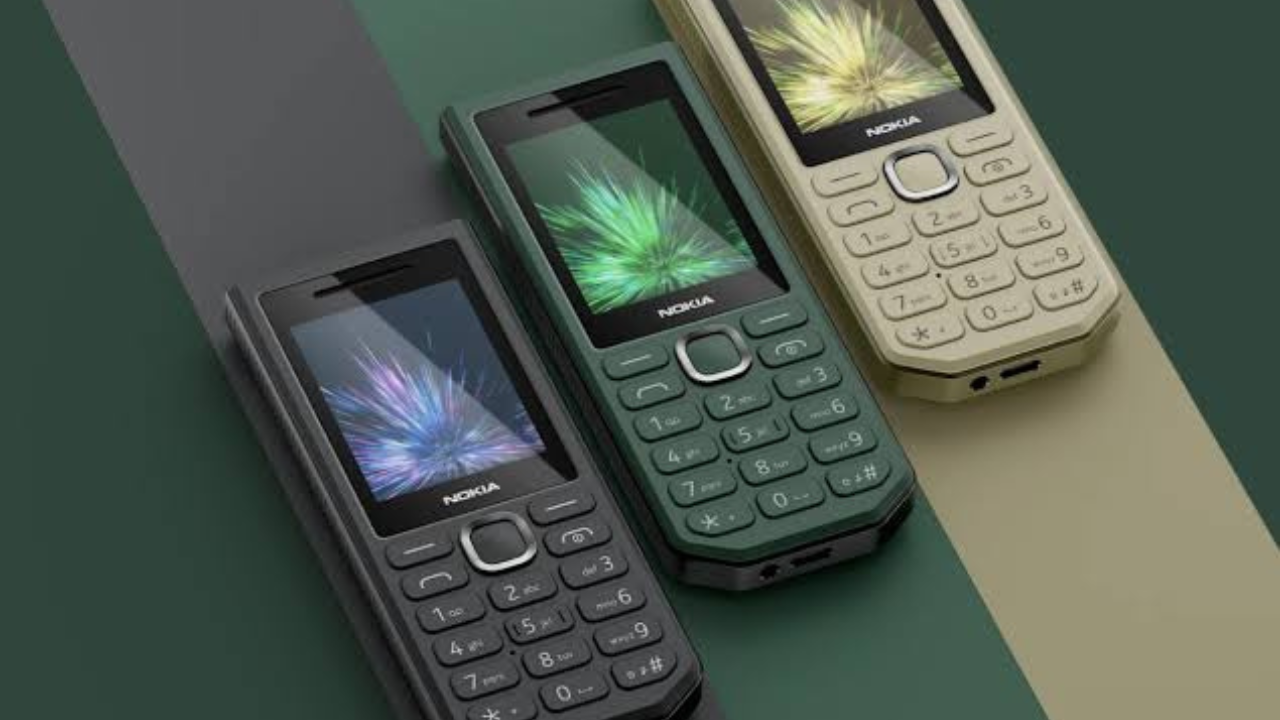
Nokia is bringing an old-school phone idea into 2026 with a surprisingly modern trick. The new Nokia 300 Charge is a basic feature phone with a large 3,700mAh removable battery, but that battery can also be used to charge other compatible devices.
The phone is designed mainly for calls, texts and simple everyday use. It does not try to compete with smartphones on apps or performance. Instead, its standout feature is its ability to act as a small emergency power bank when another device is running low.
The Nokia 300 Charge has one unusual party trick
The biggest feature of the Nokia 300 Charge is its powerbank mode.
HMD, the company behind current Nokia-branded phones, has added a dedicated way to share the phone’s battery with another compatible device. The Nokia 300 Charge can provide up to 10W of reverse charging through its USB-C connection.
That means the phone can be used to give some extra battery power to a smartphone, wireless headphones, another feature phone or certain small USB devices.
It is an unusual feature for a basic phone. Most people buy a dumbphone because they want simplicity and long battery life, not because they expect it to charge another phone.
Nokia has effectively combined those two ideas in one device.
A 3,700mAh battery is huge for a basic phone
The Nokia 300 Charge has a removable 3,700mAh battery. HMD describes it as the largest battery it has put into a Nokia feature phone.

Because the phone has a small screen and basic hardware, that battery can last much longer than the same capacity would normally last in a smartphone.
HMD claims more than 40 days of standby time and up to 37 hours of talk time. Actual results will depend on network conditions and how the phone is used, but the numbers show that long battery life is a major part of the phone’s design.
The removable battery is also useful for people who want to replace the battery rather than replace the entire phone when the original battery eventually wears out.
How the powerbank feature works
The phone has a dedicated “Out” button for its powerbank mode. Pressing it activates the function, allowing the Nokia 300 Charge to send power to another compatible device.
HMD includes a 4-in-1 cable designed to help connect the phone to different types of devices. The company says the powerbank mode can be used with compatible smartphones, audio devices and other USB devices.
This is most useful as an emergency charging option rather than a replacement for a full-size power bank.
A 3,700mAh phone battery does not provide the same usable capacity as a dedicated 10,000mAh or larger power bank. Some energy is also lost when electricity is converted and transferred to another device.
So the feature is best thought of as a backup. If your smartphone is almost dead and you need enough power to make a call, use a map or access a ticket, the Nokia 300 Charge could provide a useful top-up.

The phone itself is deliberately simple
The Nokia 300 Charge is not a smartphone in disguise.
It has a 2.4-inch QVGA display, a physical keypad and Nokia’s S30+ operating system. The phone uses a Unisoc SC6531E processor and has 4MB of RAM and 4MB of internal storage.
Those specifications are not designed for modern smartphone apps. The device is aimed at people who mainly need basic communication.
Its simple hardware is actually important to the battery-life story. A small display and basic operating system require far less power than a modern smartphone running a large OLED screen, high-end processor and dozens of background services.
It keeps some features people still like
The Nokia 300 Charge may be basic, but it does not completely abandon useful older phone features.
The phone includes a 3.5mm headphone jack, FM radio and a microSD card slot supporting cards up to 32GB. It also has a simple rear camera and a built-in LED torch.
The torch is another surprisingly useful part of the design. HMD says its LED torch can be up to four times brighter than the torch on the Nokia 105 released in 2023.
These features show what the phone is trying to be: a simple utility device that can remain useful when you do not want to carry a smartphone everywhere.
Nokia 300 Charge key specifications
| Feature | Nokia 300 Charge |
|---|---|
| Display | 2.4-inch QVGA |
| Battery | 3,700mAh removable |
| Standby time | Over 40 days, claimed |
| Talk time | Up to 37 hours, claimed |
| Reverse charging | Up to 10W |
| Charging port | USB-C |
| Operating system | S30+ |
| Processor | Unisoc SC6531E |
| RAM | 4MB |
| Internal storage | 4MB |
| Expandable storage | microSD up to 32GB |
| Headphone jack | 3.5mm |
| Network | 2G |
| Weight | 138 grams |
The phone’s 2G support is an important limitation. It means the Nokia 300 Charge is not designed to offer the mobile data experience people expect from a modern smartphone.
The powerbank feature has a clear limit
It is easy to get excited about a feature phone that can charge a smartphone, but expectations need to be realistic.
The Nokia 300 Charge is not a high-capacity power bank. Its 3,700mAh battery is relatively small compared with dedicated portable batteries, and its 10W output is modest by modern smartphone charging standards.
That means it is best used when you need a little extra power, not when you want to completely refill a large smartphone battery.
The feature becomes more useful because the phone itself can stay powered for a very long time. Someone could keep the Nokia 300 Charge in a car, travel bag or emergency kit and have a communication device that is also capable of providing backup power.
It could be useful for travel and emergencies
The Nokia 300 Charge’s unusual combination of features makes more sense when you look beyond everyday smartphone use.
A person going on a long trip may want a phone that can remain charged for days or weeks. The same device can provide some emergency power to a smartphone, earbuds or another USB device.
It could also be useful as a backup phone during power cuts or situations where access to a charger is limited.

The phone’s simple design also means there are fewer smartphone-style distractions. There is no large touchscreen built around social media, video streaming and demanding apps.
For some users, that simplicity is the main attraction.
Who is the Nokia 300 Charge for?
The phone is not meant to replace a smartphone for most people. Its target user is someone who values battery life and basic communication more than apps and advanced features.
It could make sense for:
- People who want a simple phone for calls and texts
- Travelers who want a long-lasting backup phone
- Users who want an emergency source of power for another device
- People looking for a basic phone with a removable battery and useful extras
However, the 2G network support is a major consideration. Buyers should check whether 2G service is still available from their mobile operator before purchasing the phone.
Price and availability
HMD has launched the Nokia 300 Charge globally, with early market pricing reported at around $38. Availability and pricing vary by country, and the phone is not necessarily available in every market yet.
In India, buyers should pay particular attention to network compatibility and local availability before making a purchase. A low-cost feature phone is only useful if its supported network can still be used reliably in the buyer’s area.
Final verdict
The Nokia 300 Charge is interesting because it does something smartphones have made surprisingly rare: it keeps things simple while adding one genuinely useful modern feature.

Its 3,700mAh removable battery gives it very long claimed endurance, while the 10W powerbank mode lets it share some of that stored energy with another compatible device. The USB-C port, headphone jack, microSD slot and bright LED torch add to its practical appeal.
The limitations are just as clear. This is a basic 2G feature phone with a tiny display, very limited storage and no modern smartphone experience. Its reverse charging is also best viewed as emergency backup power rather than a replacement for a proper power bank.
Still, the idea is clever. The Nokia 300 Charge is not trying to be smarter than your smartphone. It is trying to make sure your smartphone does not die when you need it most.