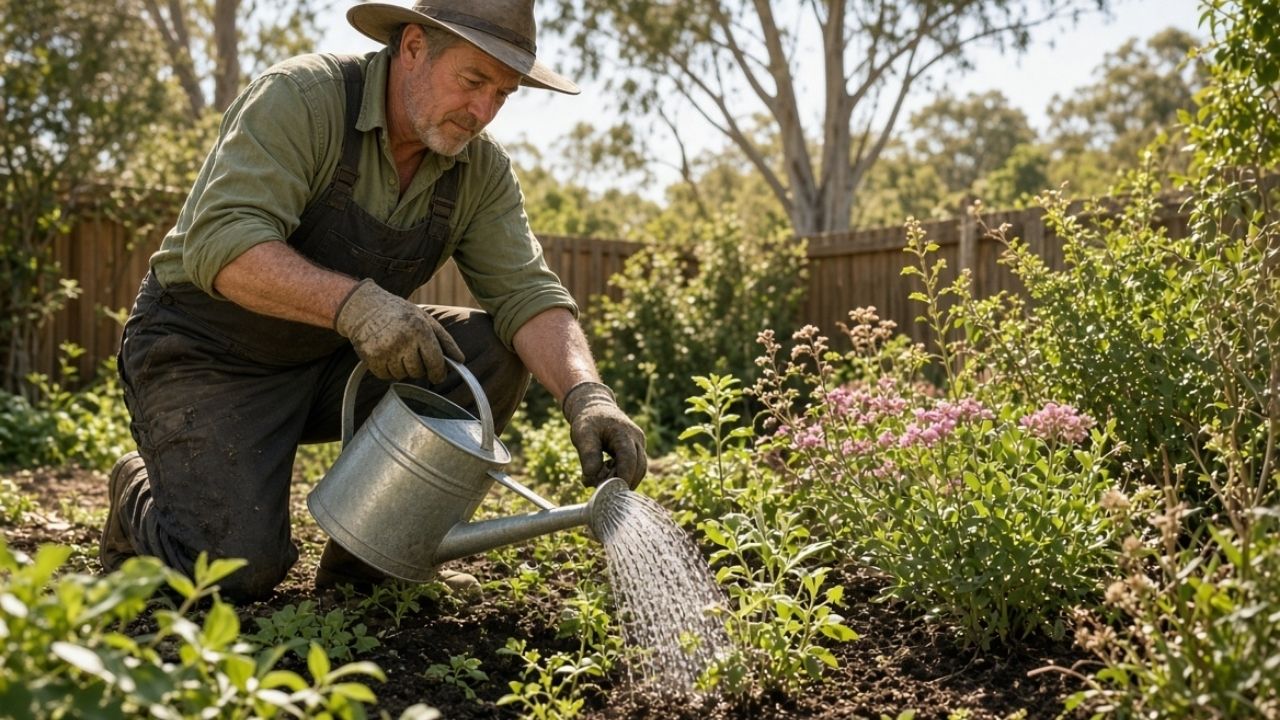
Warm weather is arriving earlier than usual across much of south-east Australia. After a milder winter, temperatures are rising quickly and the risk of early heat is increasing. Gardeners who act now can help their plants handle the shift more easily.
Why the heat is coming early
Forecasts point to above-average daytime and overnight temperatures across Victoria, New South Wales and surrounding areas this spring. Drier conditions are also more likely in parts of the south-east. This combination can stress plants that are still adjusting from cooler weather.

Young seedlings, newly planted vegetables and plants that prefer cooler conditions are the most vulnerable in the first warm spells.
Practical steps to take now
Gardeners can reduce stress on their plants with a few simple actions.

- Water deeply in the early morning so roots can take up moisture before the heat builds
- Apply a thick layer of mulch around plants to keep soil cooler and hold moisture
- Provide temporary shade for sensitive seedlings and soft-leafed plants during the hottest part of the day
- Check soil moisture regularly, especially in pots and raised beds that dry out faster
These steps help plants settle in before stronger summer heat arrives.
What to plant and what to hold back
Warm-season crops such as tomatoes, beans, zucchini and cucumbers can go in once the risk of late frost has passed. In many coastal areas this is already safe. Inland and higher areas may still need a little more caution.
Leafy greens and cool-season herbs can bolt or struggle if temperatures rise sharply. Consider planting them in partially shaded spots or succession sowing smaller amounts rather than large beds at once.
Looking after the soil
Healthy soil holds water better and supports stronger roots. Adding compost or organic matter now improves the ground’s ability to cope with dry spells. Avoid over-fertilising, as soft new growth is more easily damaged by heat.
Staying ahead of the season
Spring heat can arrive in short bursts followed by cooler days. Keeping an eye on the forecast and adjusting watering and protection as needed will give gardens the best chance. A little extra care in the next few weeks can make a clear difference once the hotter weather settles in for longer.