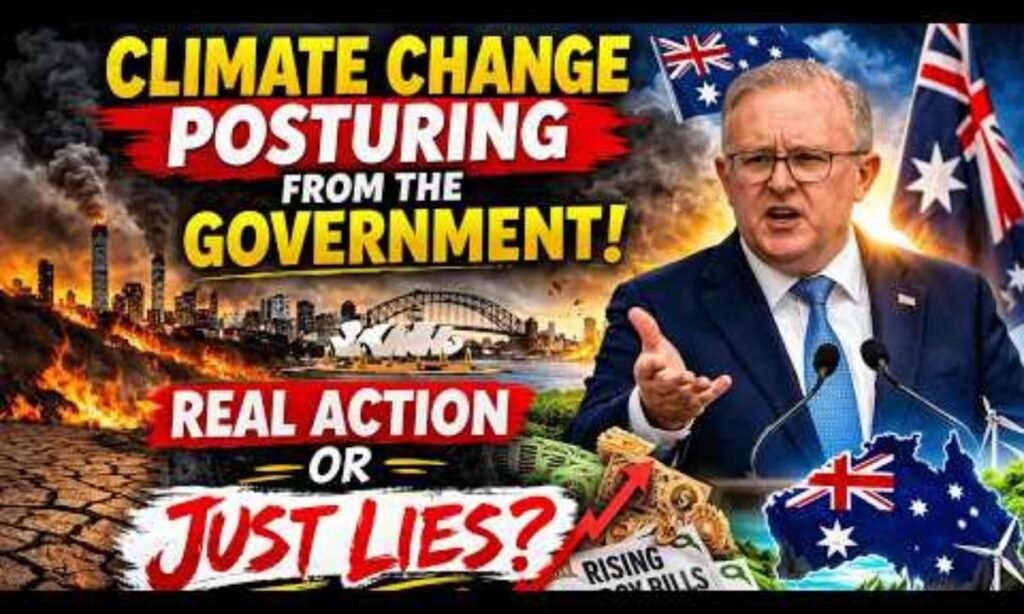
Governments worldwide trumpet ambitious climate plans with summits, targets, and big announcements. Yet many wonder if these efforts deliver real change or simply serve as political theater. The gap between stated goals and actual results raises serious questions about sincerity and effectiveness.
High-Profile Pledges That Grab Headlines
Leaders routinely stand before cameras to unveil net-zero targets and green initiatives. These declarations often win praise from activists and media outlets eager for progress stories. However, the fine print frequently reveals extended timelines and loopholes that delay meaningful action.
In practice, many commitments rely on future technologies not yet proven at scale. Political cycles encourage short-term optics over long-term strategy. This pattern leaves observers skeptical about whether announcements reflect genuine urgency or calculated positioning.
The Gap Between Rhetoric and Implementation
Despite soaring speeches, actual emission reductions often fall short of targets. Infrastructure projects face delays from permitting issues, local opposition, and shifting budgets. International agreements sound impressive until countries quietly adjust baselines or exclude certain sectors from accounting.
Critics point out that some nations continue expanding fossil fuel production while touting renewable growth. This mixed messaging creates confusion about true priorities. The disconnect suggests that visible action sometimes matters more to officials than measurable environmental gains.
Economic Trade-offs Hidden in the Narrative
Climate policies carry substantial costs for industries, workers, and consumers. Energy price spikes and job shifts in traditional sectors generate real hardship in affected communities. Policymakers tend to emphasize long-term benefits while downplaying immediate burdens on ordinary families.
- Many proposed regulations increase operational expenses for manufacturers and farmers
- Transition programs often provide insufficient support for displaced workers
- Higher energy costs hit lower-income households hardest
- Supply chain disruptions from rushed policies affect global markets
These pressures force governments to balance environmental aims against economic stability, sometimes resulting in watered-down enforcement.
Why Symbolism Outweighs Substance in Many Cases
Photo opportunities at climate conferences generate positive coverage but rarely translate into enforceable outcomes. Vague language in agreements allows countries to claim compliance without transformative changes. Domestic politics reward leaders who appear proactive, even when results remain elusive years later.
Public attention spans favor dramatic gestures over the tedious work of building resilient systems. Media amplification of bold claims creates an impression of momentum that data sometimes fails to support. This dynamic rewards posturing over pragmatic, incremental progress.
What the Evidence Suggests About Real Commitment
Tracking actual spending and regulatory follow-through reveals inconsistencies in many programs. Funds allocated for green projects occasionally get redirected or yield minimal emission cuts. Enforcement varies widely, with some nations prioritizing growth over strict environmental compliance.
The shocking truth emerging from close examination is that political incentives often favor appearance over achievement. Genuine solutions require difficult trade-offs and sustained effort beyond election cycles. Without stronger accountability mechanisms, climate action risks remaining more slogan than strategy.
Moving Beyond the Theater Toward Effective Solutions
Addressing climate challenges demands honest assessment of what works rather than what polls well. Innovation in energy technology, realistic infrastructure planning, and cross-border cooperation offer better paths than repetitive pledges. Citizens deserve transparency about costs, timelines, and expected results.
True progress will come from policies tested against outcomes instead of optics. Governments that prioritize measurable results over press releases stand a better chance of earning public trust on this critical issue.